Vive la Rose
Unrequited love, animated on location
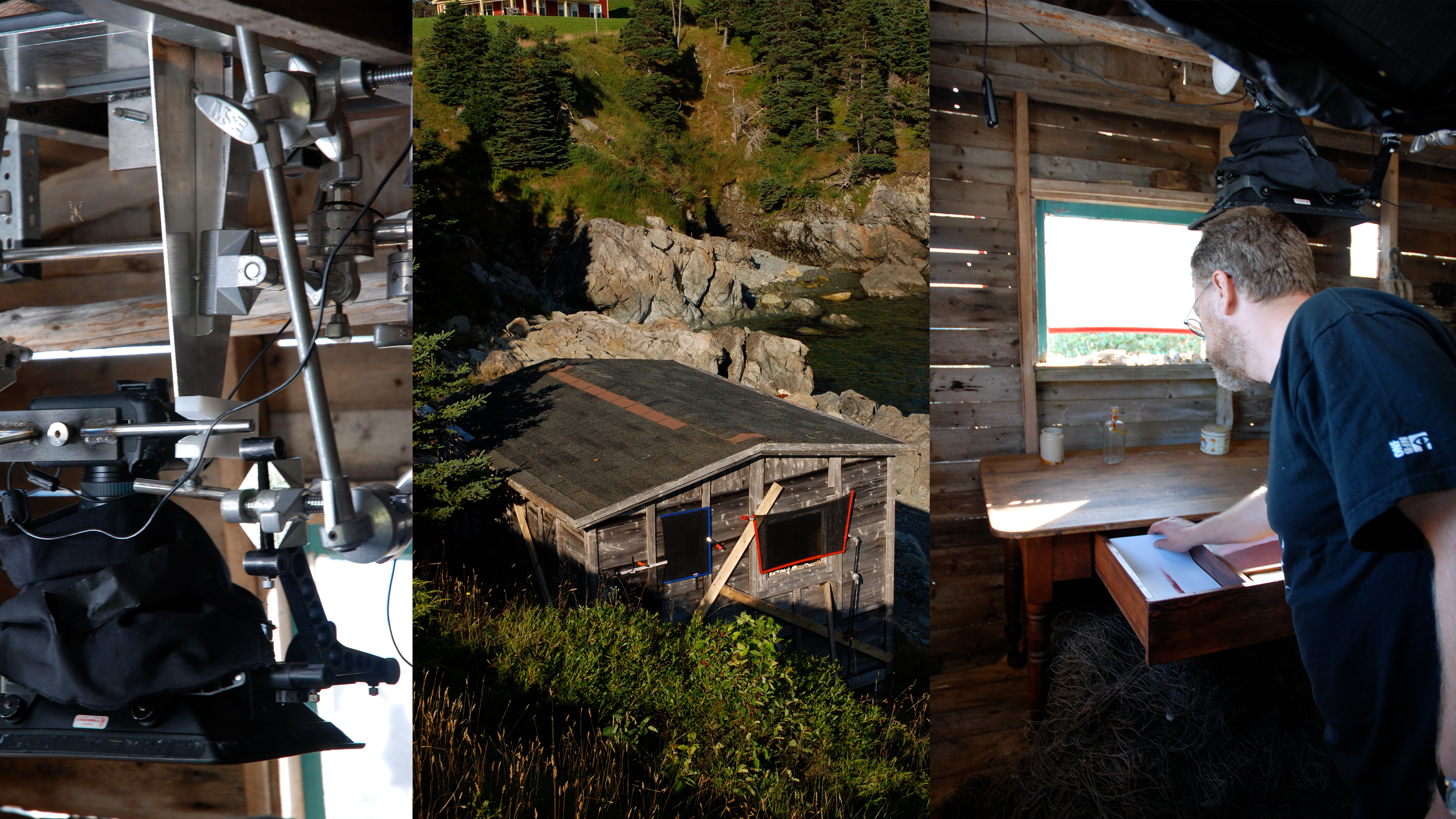
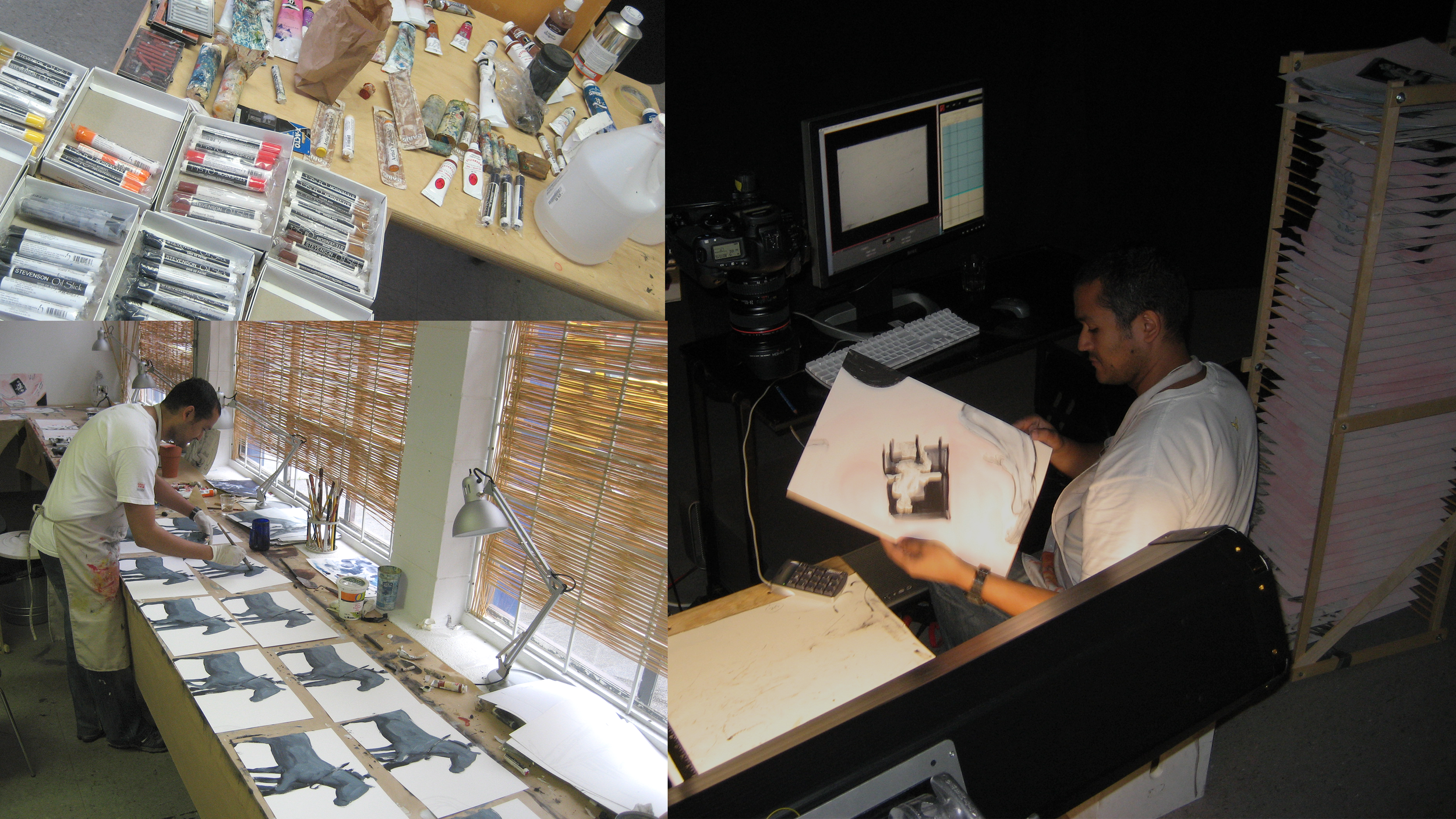
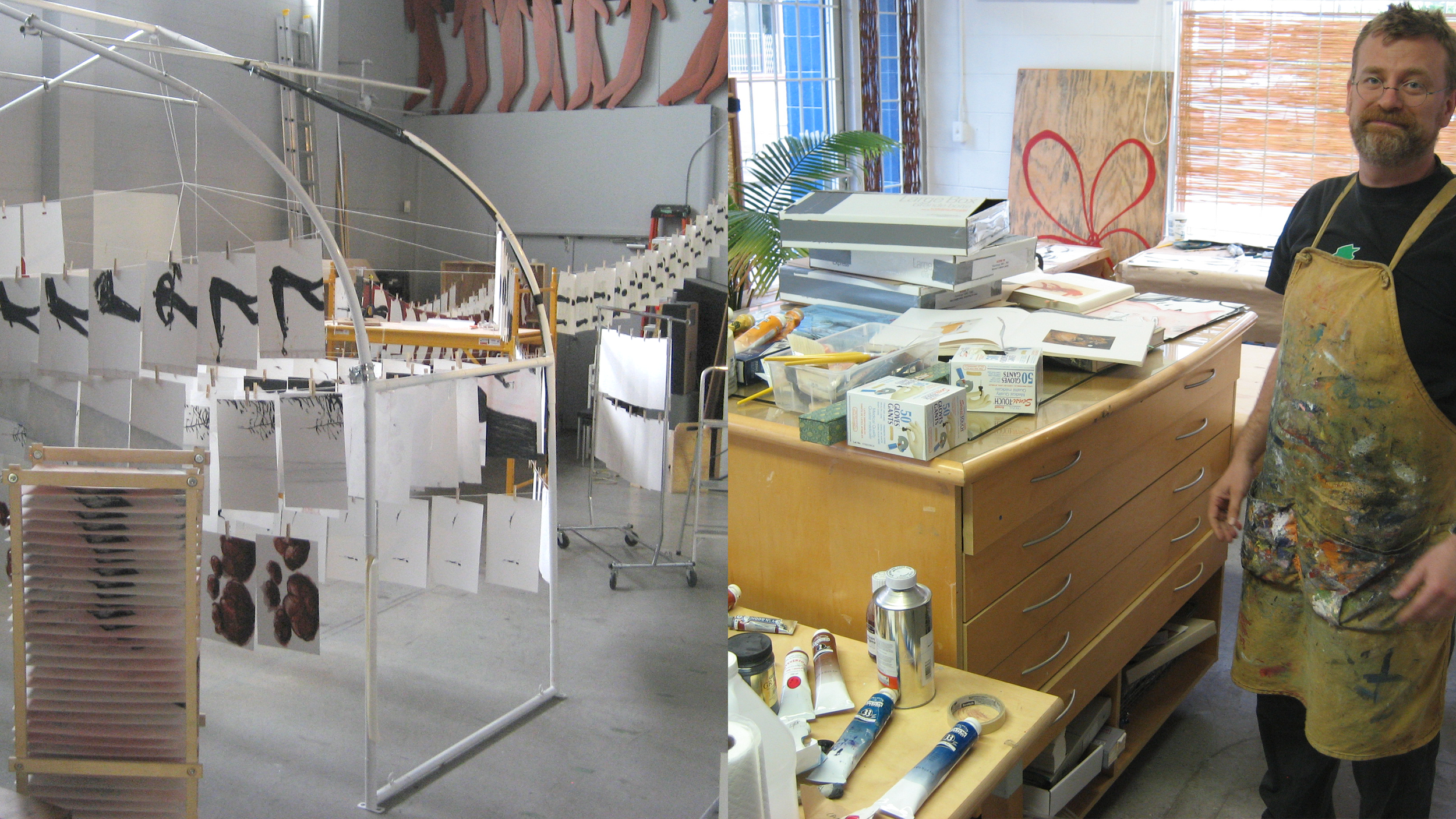
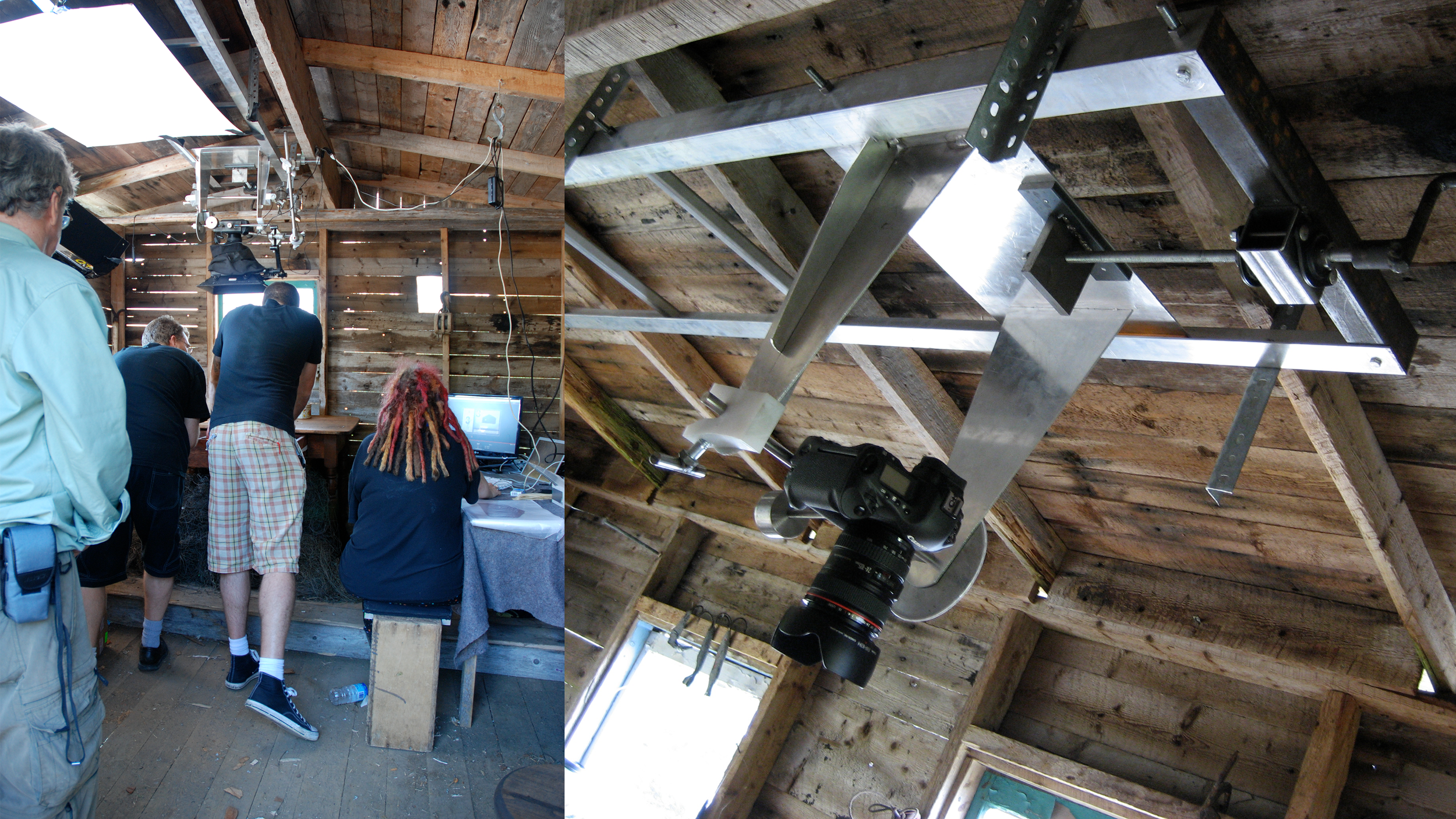
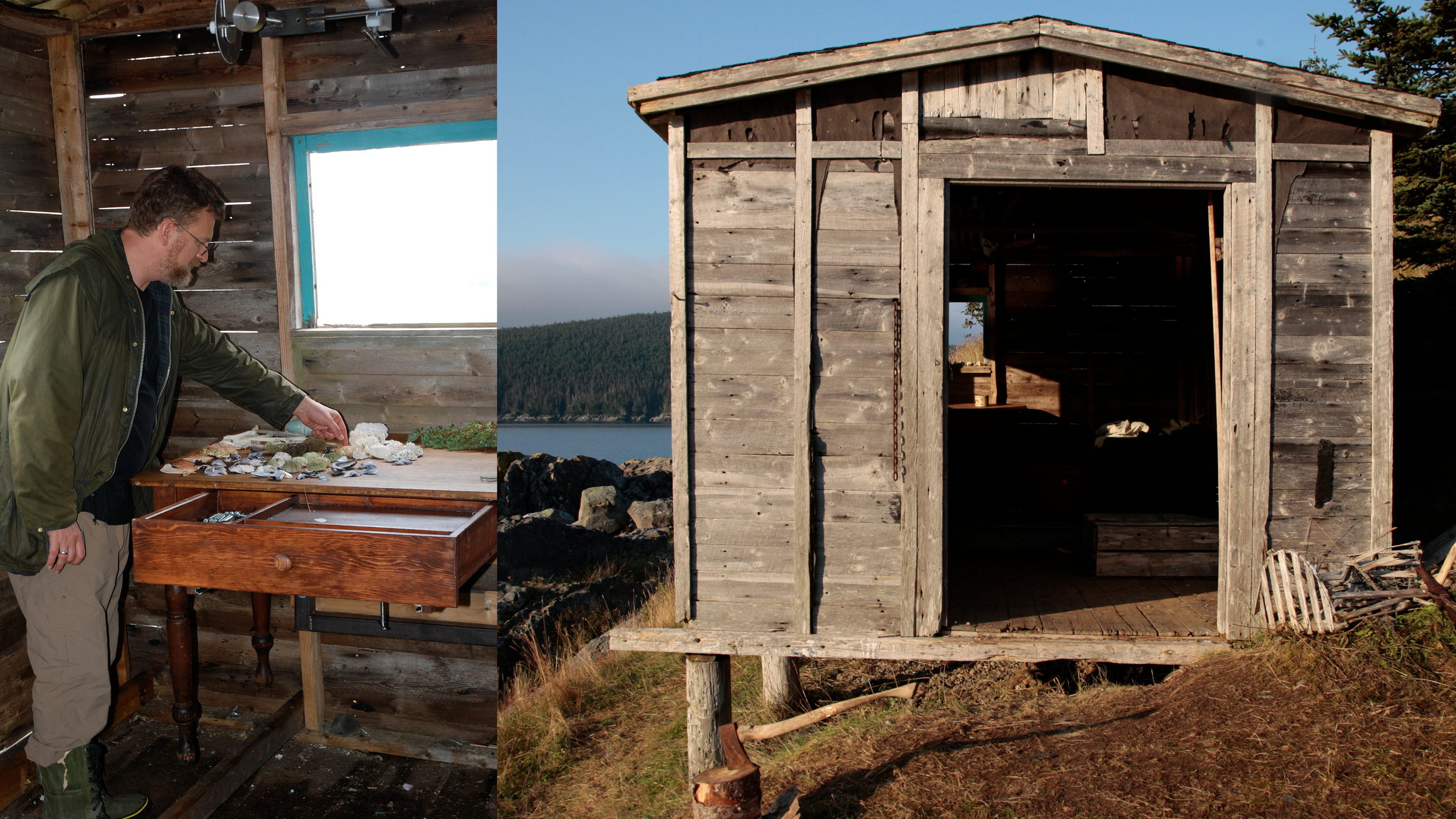
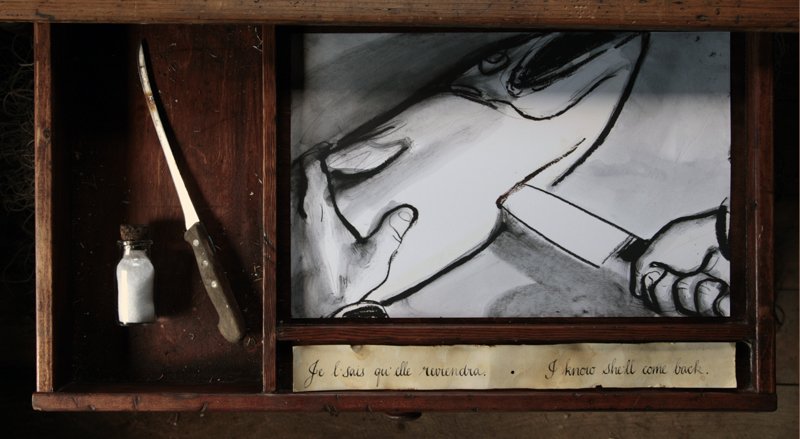
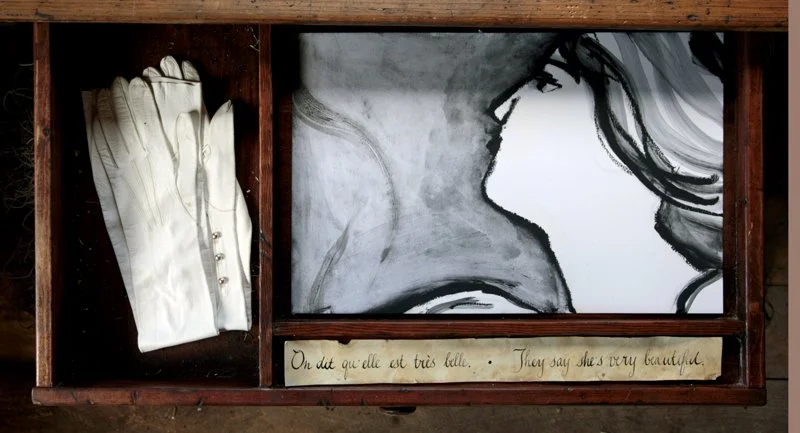
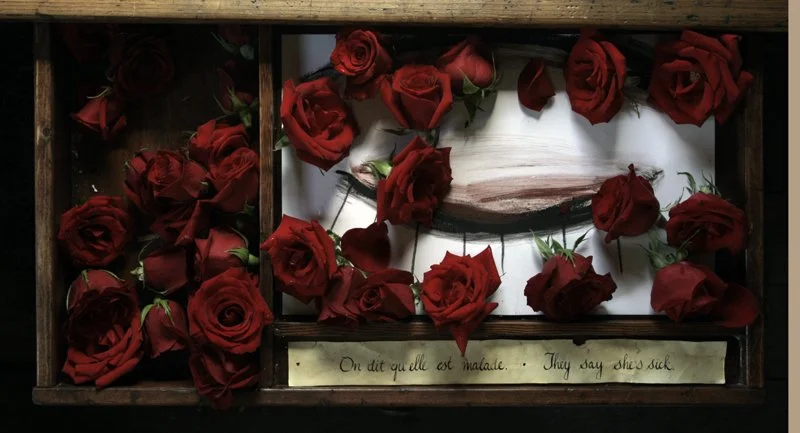
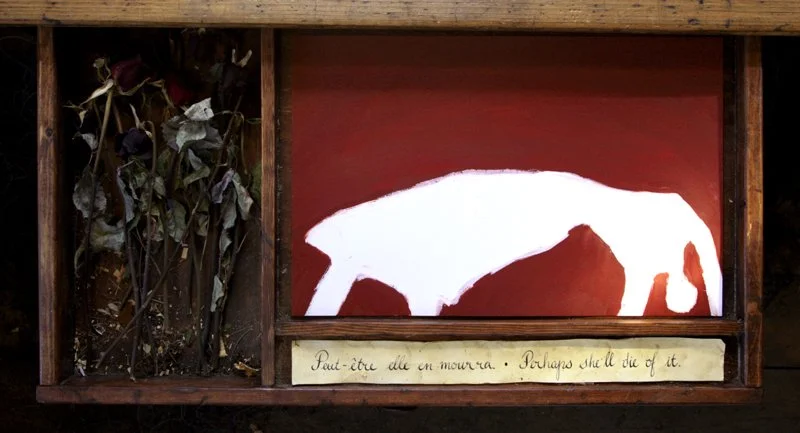
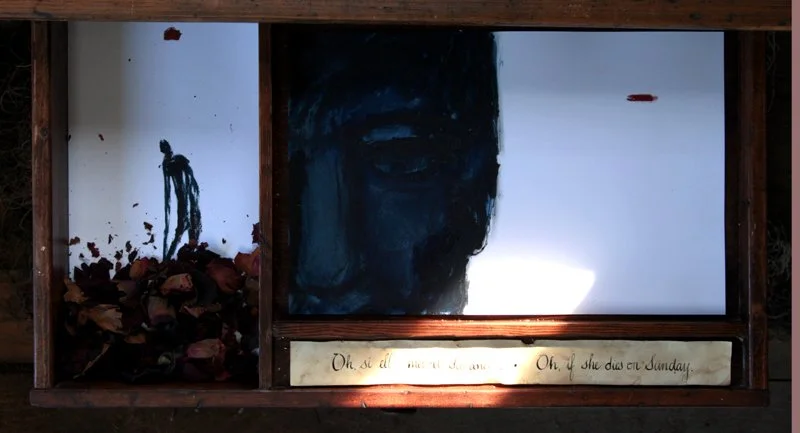
Based on the last recording by one of Newfoundland's foremost traditional music performers, Emile Benoit's tender delivery of the 18th century French song is the heart of Vive la Rose. The story of unrequited love and tentative obsession throughout the beloved's life, sickness and early death is the narrative focus, accompanied by an emotional interpretation of Benoit's strong Newfoundland French accent and wavering old man's voice. Vive la Rose was shot out of doors and in an old fisherman's shack, rooting the film in a location that evokes the past, and combines oil paintings with painted text and a variety of evocative and practical objects.
Vive la Rose
Design
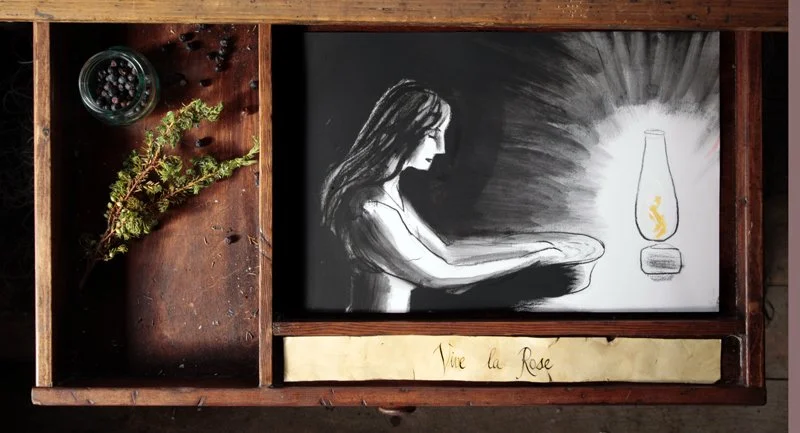
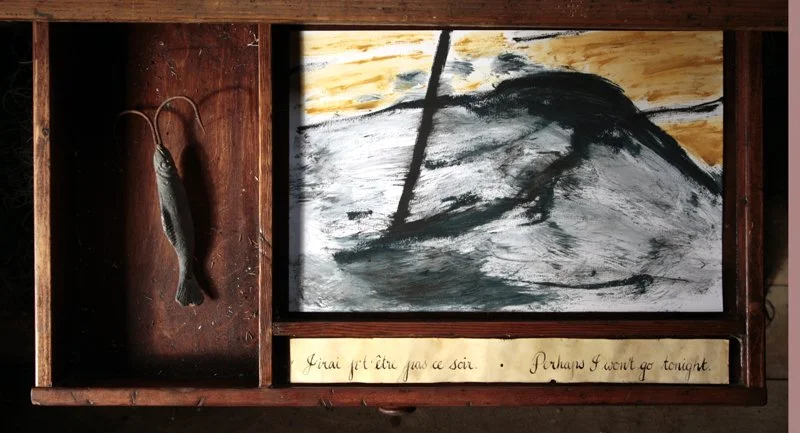
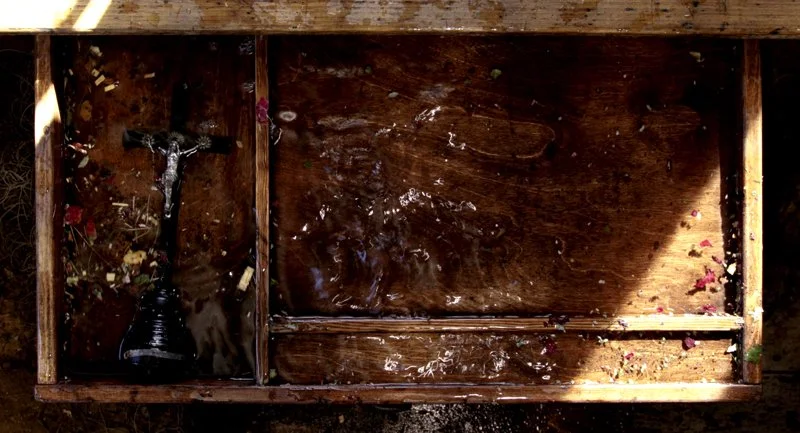
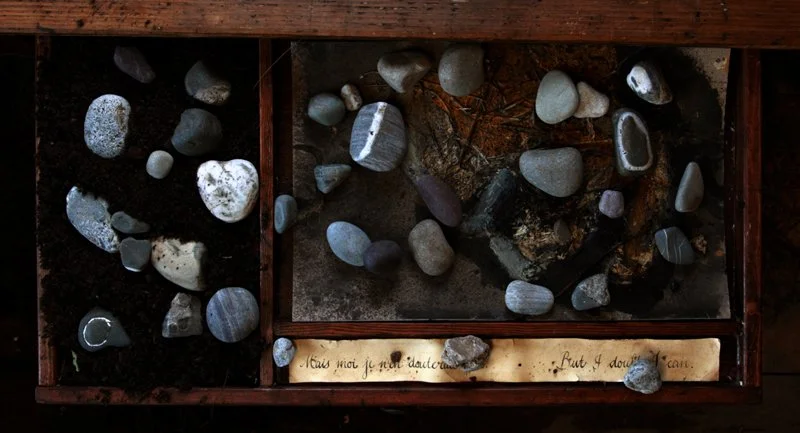
Newfoundland and Labrador went through a period called resettlement in the late 60s. Smaller communities were combined with others to consolidate services and foster growth. Houses in abandoned communities were often left with teacups still on the table, traces of lives uprooted by the program. That inspired the drawer in Vive la Rose: as if the song emanated from a drawer in a table in an abandoned house. The paintings tell part of the story, the lyrics we hear and see written ion the base of the drawer tell another, the objects in and around the drawer add another layer. The approach and departure at heads and tails situate the piece.
the Shoot
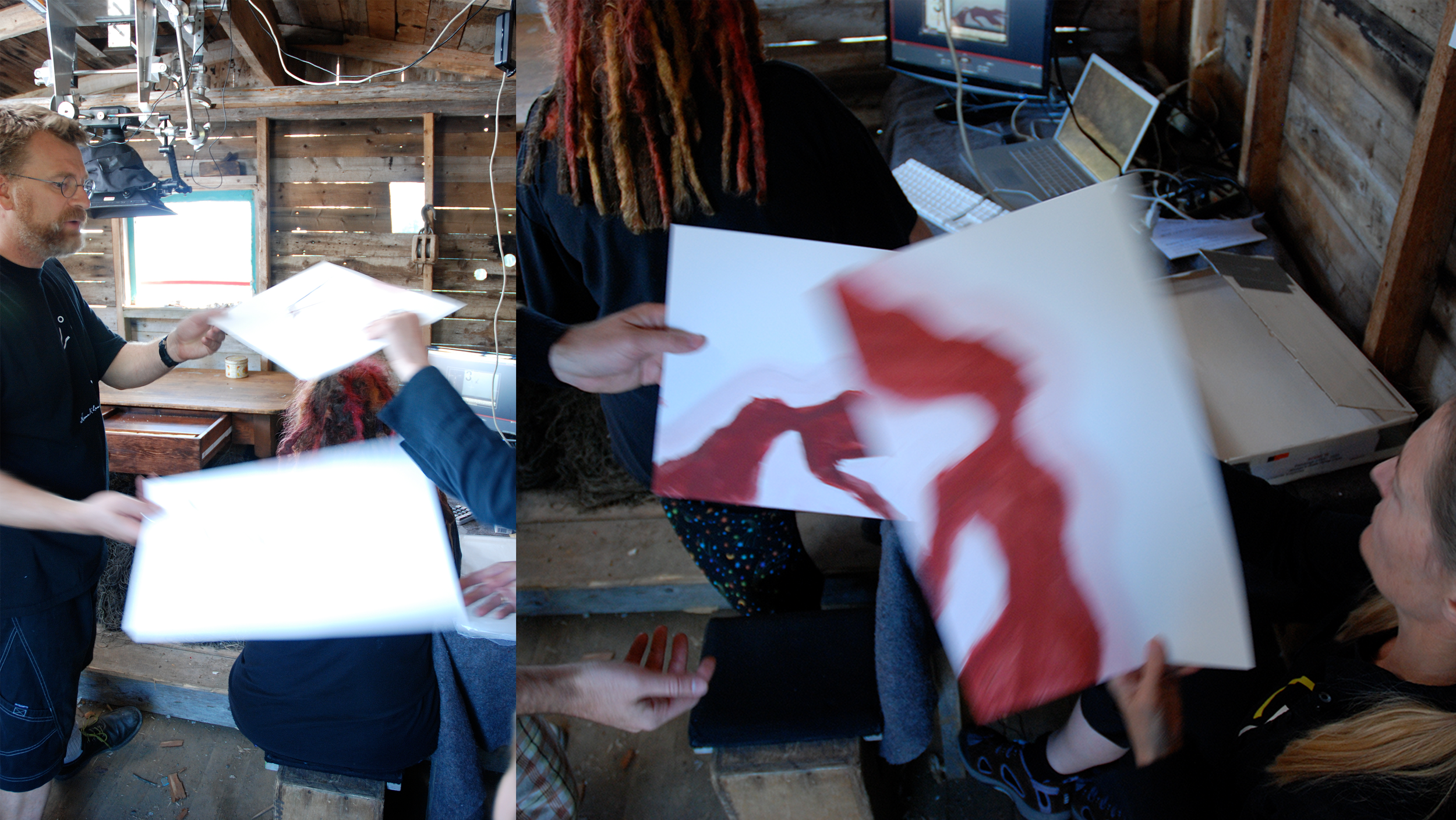
It was a pleasurable few days on location, with boxes full of paintings, objects like lamps and rocks and shells, and hundreds of red roses. A whale surfaced just offshore while we filmed. The shack was full of gaps and holes, so the breeze and the sun moved through the interior as we passed objects back and forth, clicked the shutter, racing very very slowly against time. It’s beautiful, the way time dilates as you shoot: each complete pass (we did three) took from before dawn to after sunset.