Frozen In Time
The scientist who lost control of her brain
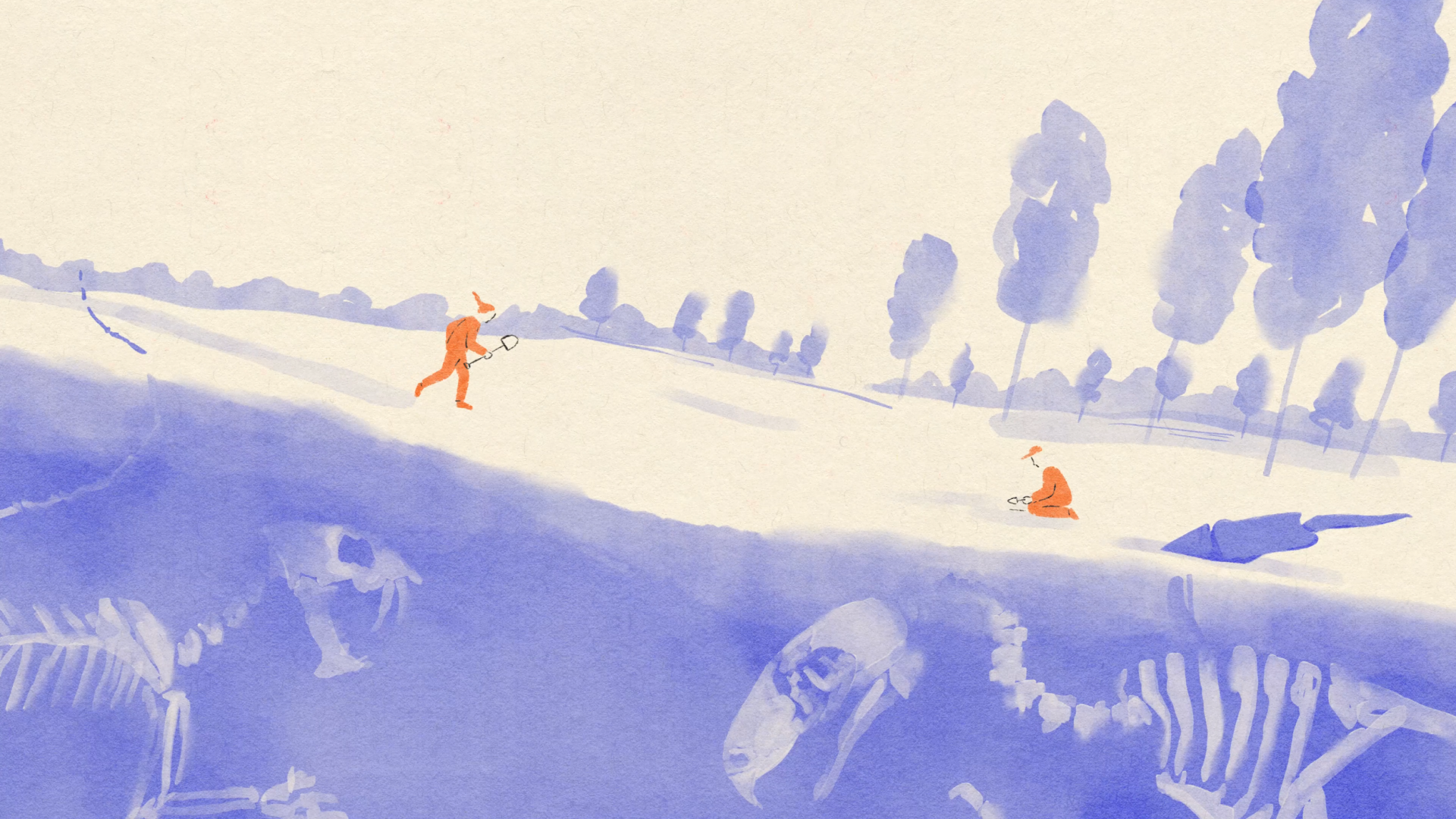
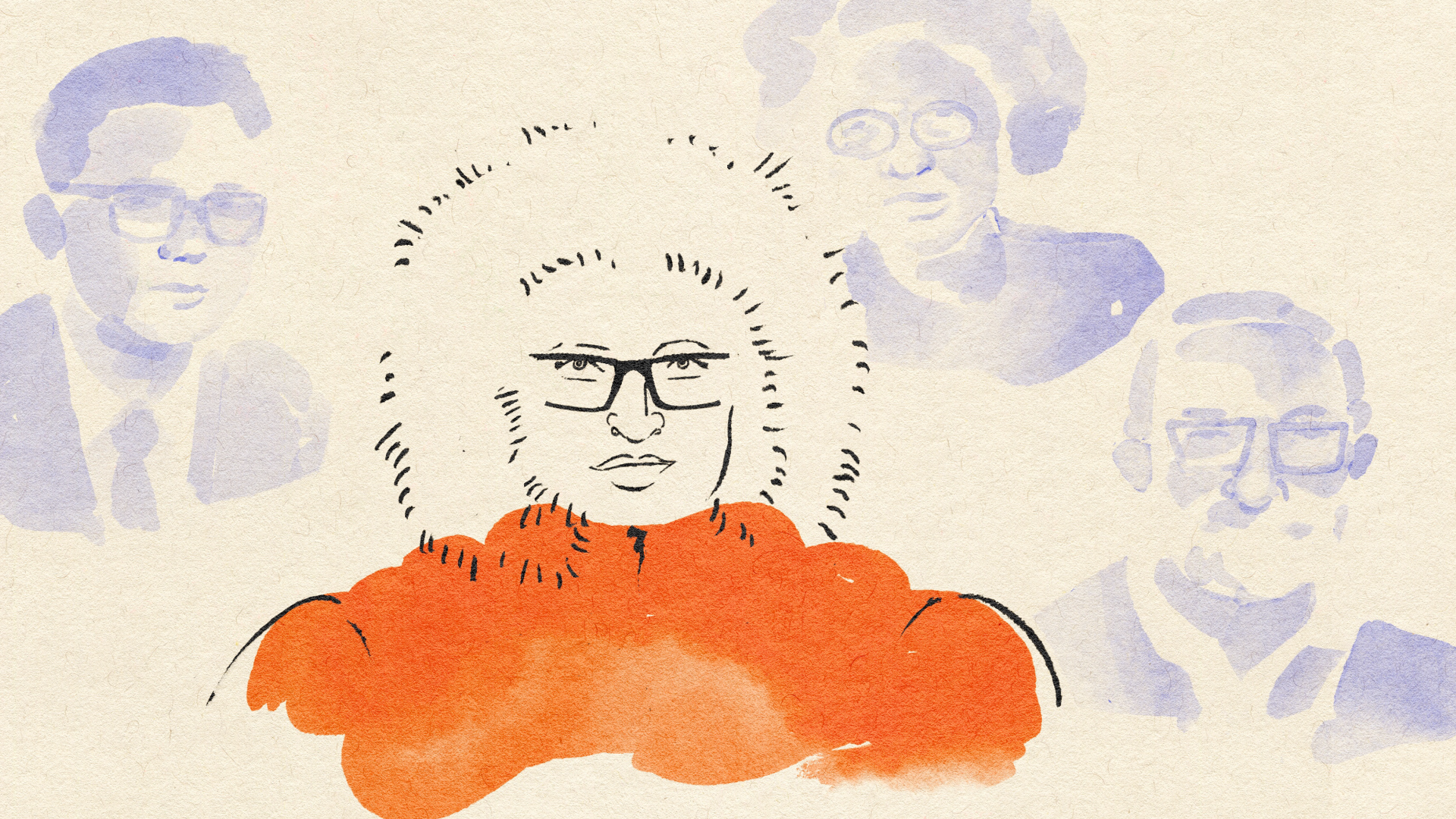
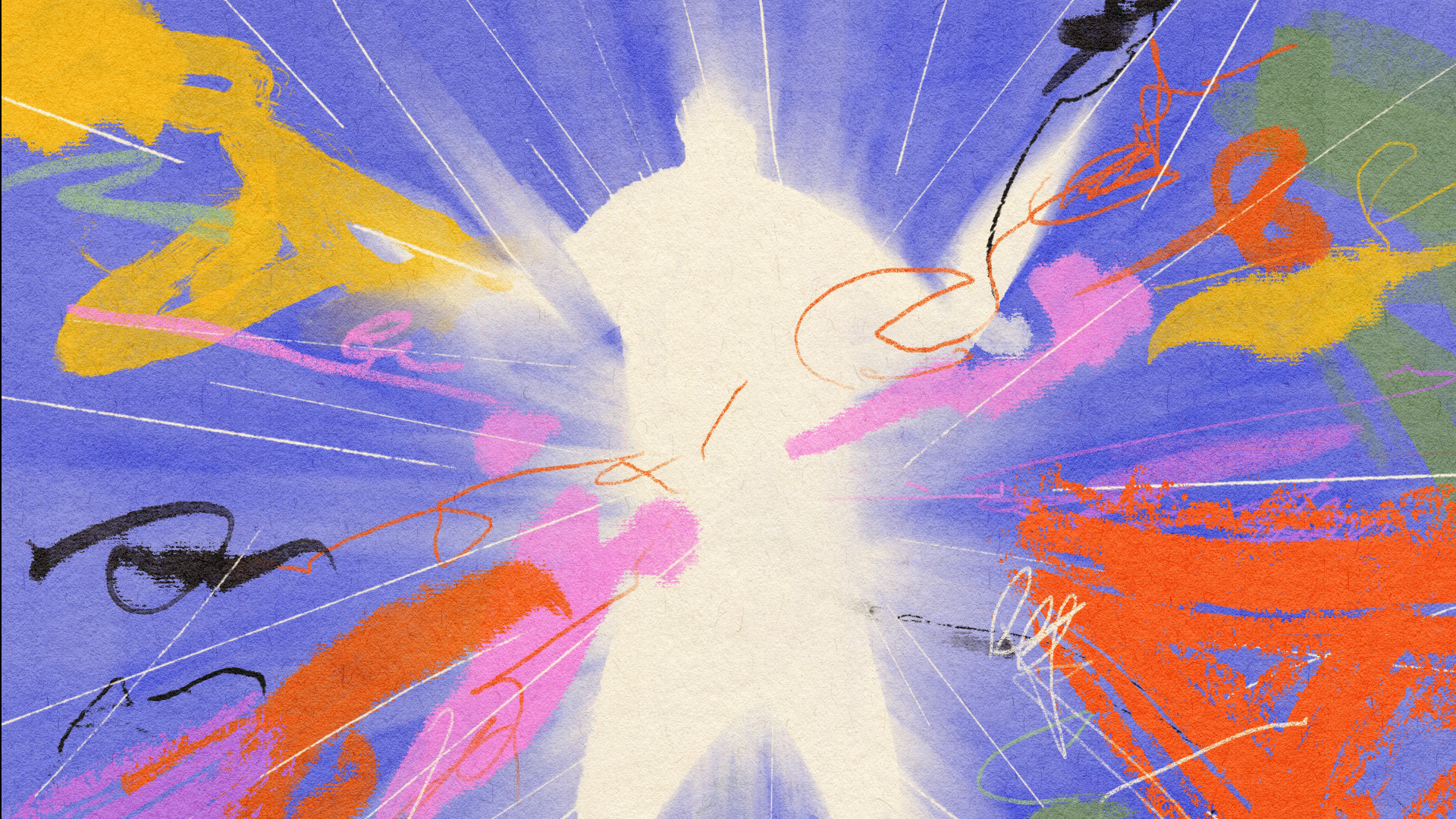
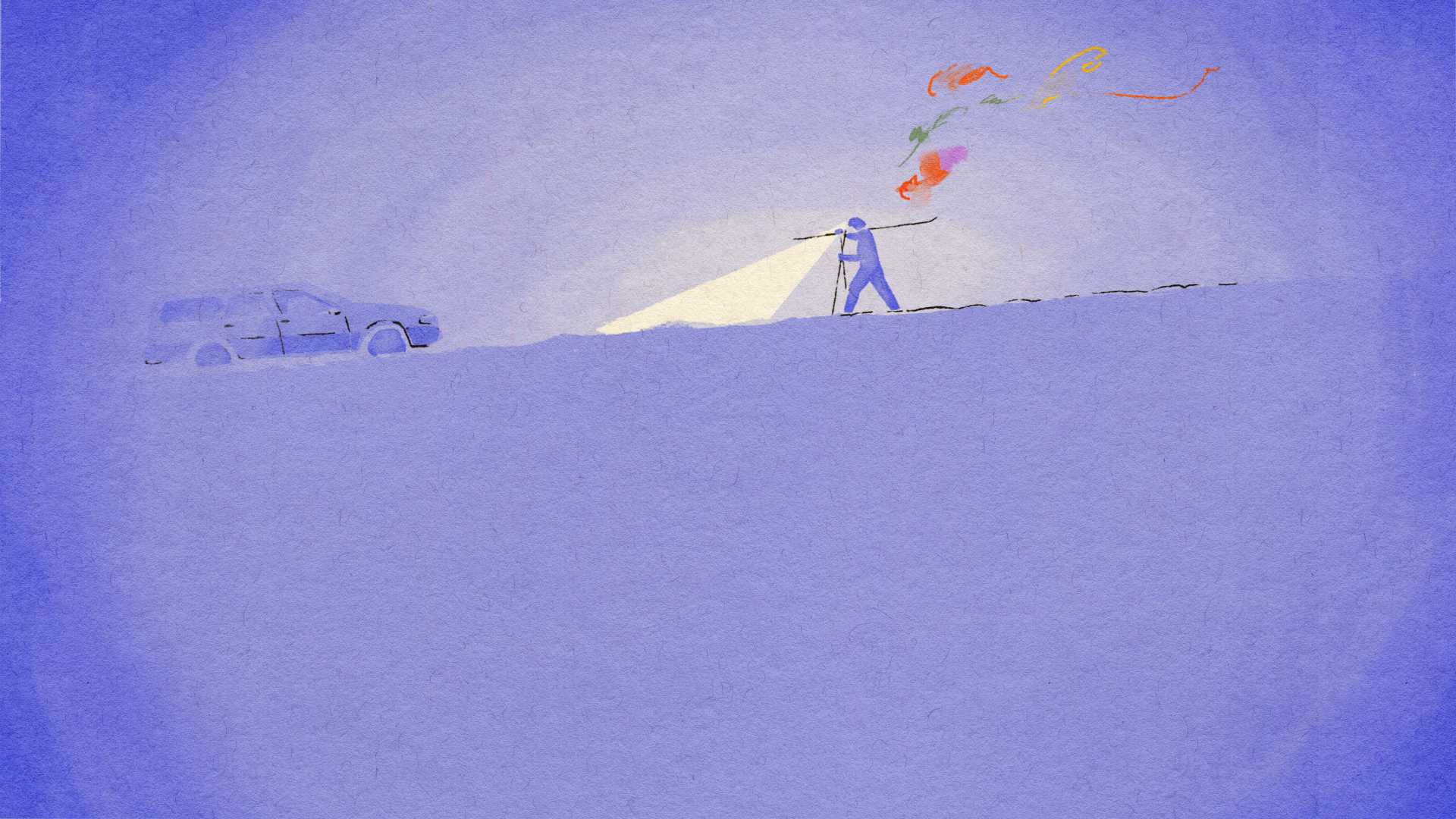
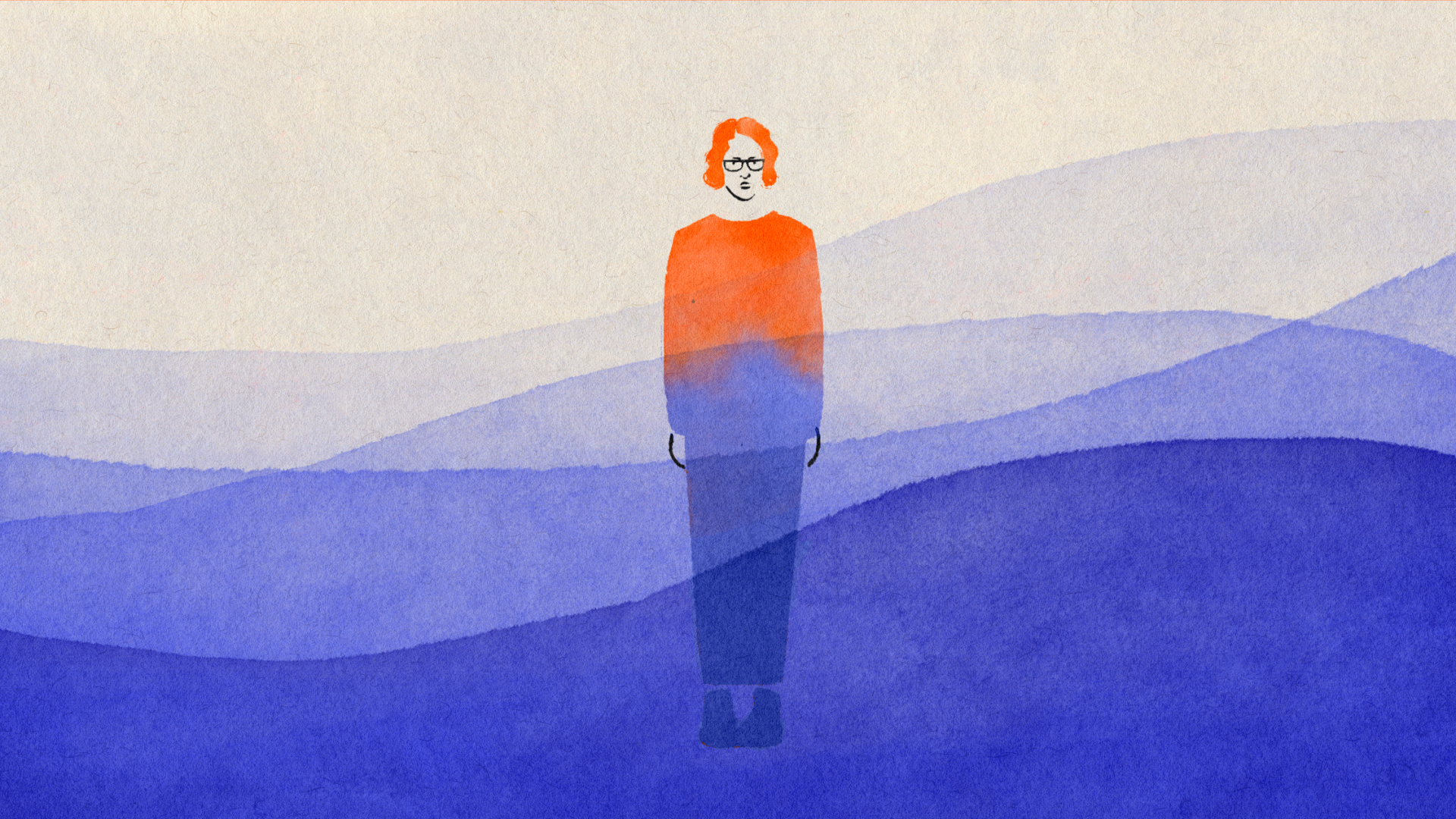
Our third collaboration with Niobe Thompson and Handful of Films. This CBC Originals project is a science documentary, but it’s primarily a biography of Natalia Rybczynski: the story of her rising career, debilitating accident, and the epiphany that rebooted her continuing career as a scientist. Since much of the story happens in Natalia's mind and body, the film needed a storytelling method that could communicate the depth of her experience non-literally. Memory, pain, epiphany, depression, alienation, symptomatic distress, and the accidents that brought on her brain injury called for fine art animation, with its strength in handling the emotional and deeply personal.
Trailer
Process
The beauty of this style lies in its economy of detail These process clips show a little of the progression from early blocking through final execution. The first side-by-side clips show animatics—storyboards edited to time—beside the final animation. Starting with the rough black & white drawings, the action and pacing are clear. Nuances of motion, character, and timing happen along the way to finished work. The later clips show layers from simple flat colours through the addition of layered imagery and boiling textural treatments. It’s animated paint and line executed digitally, but done with a keen sense of physical media.
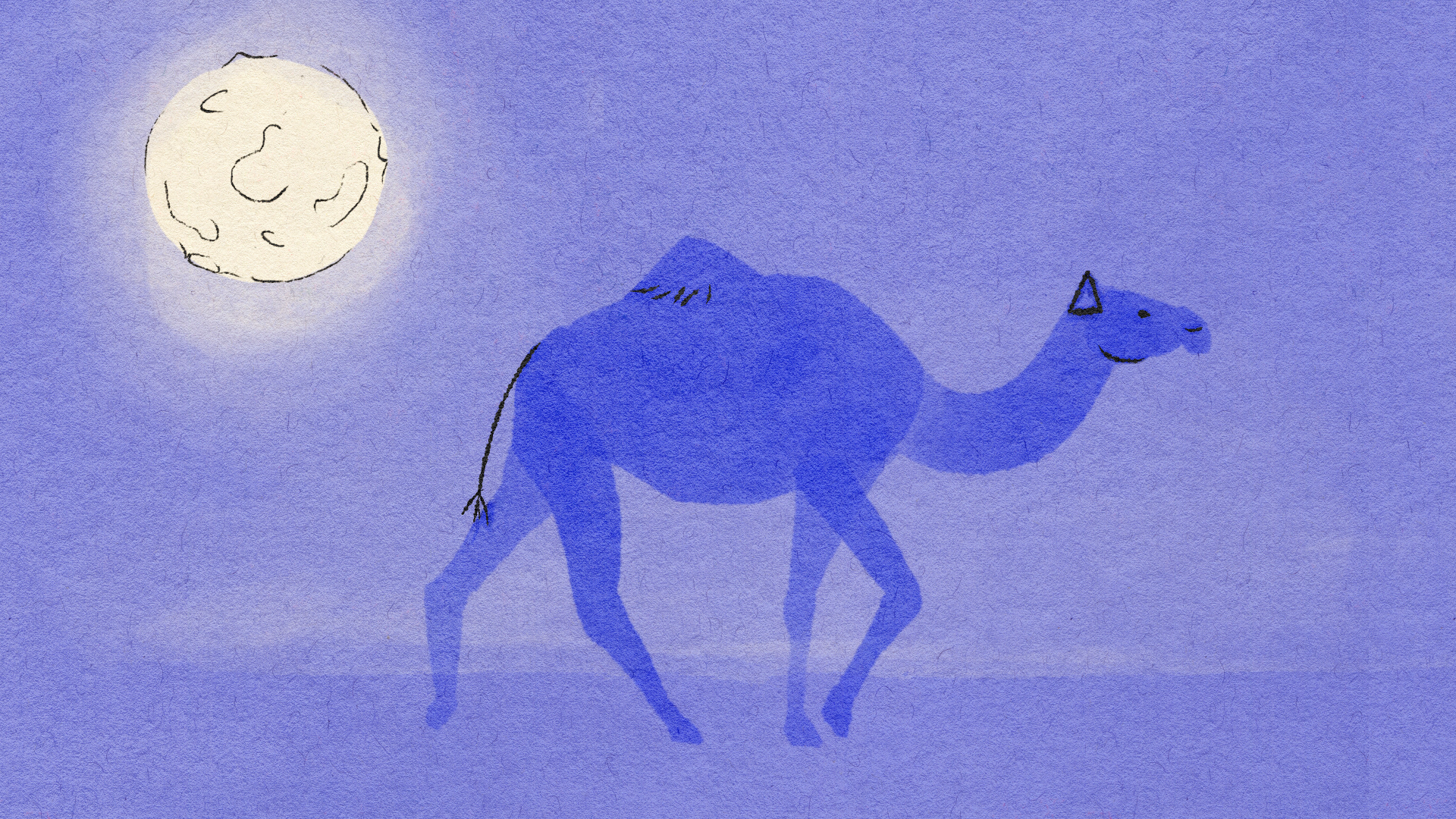
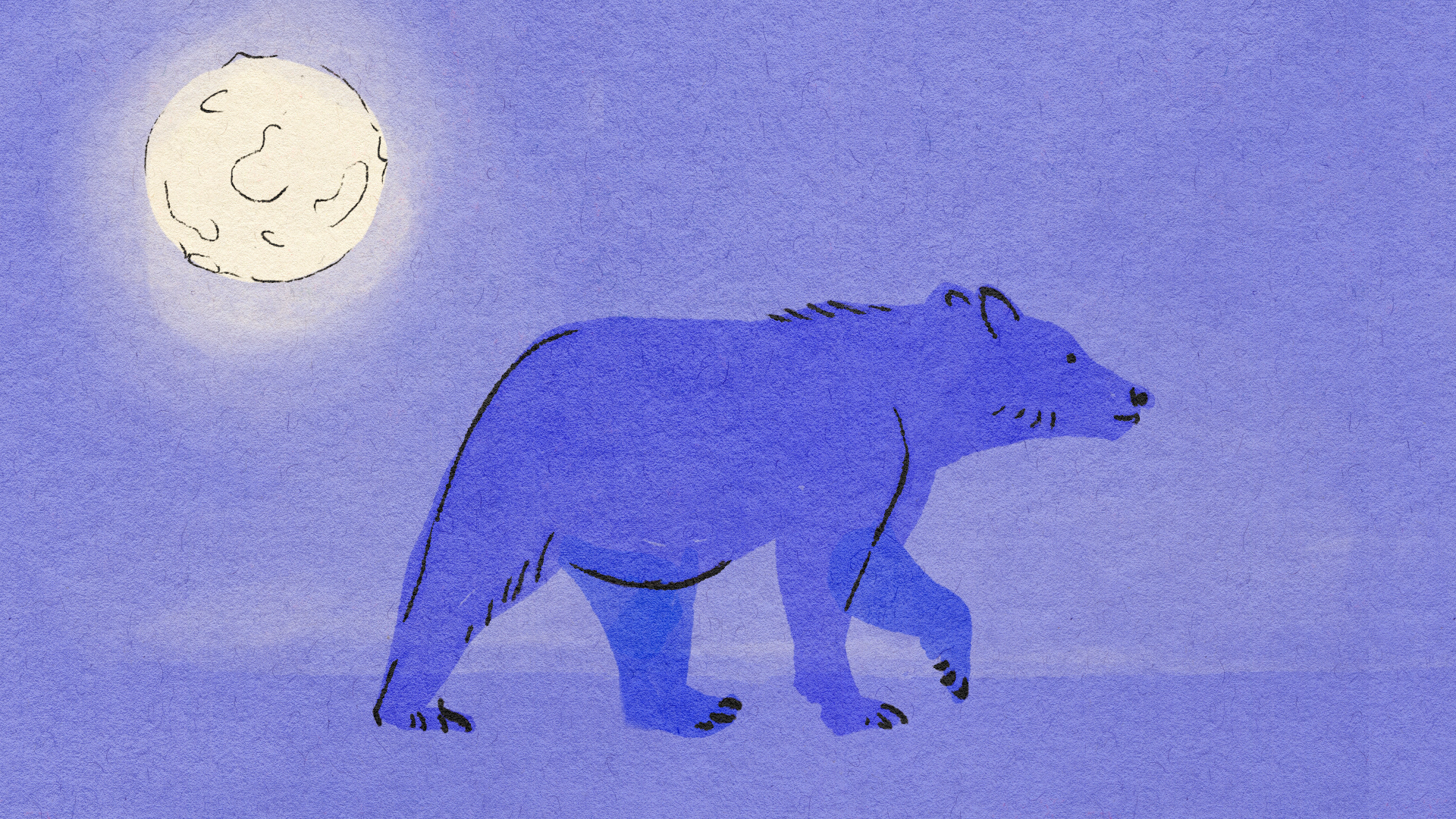
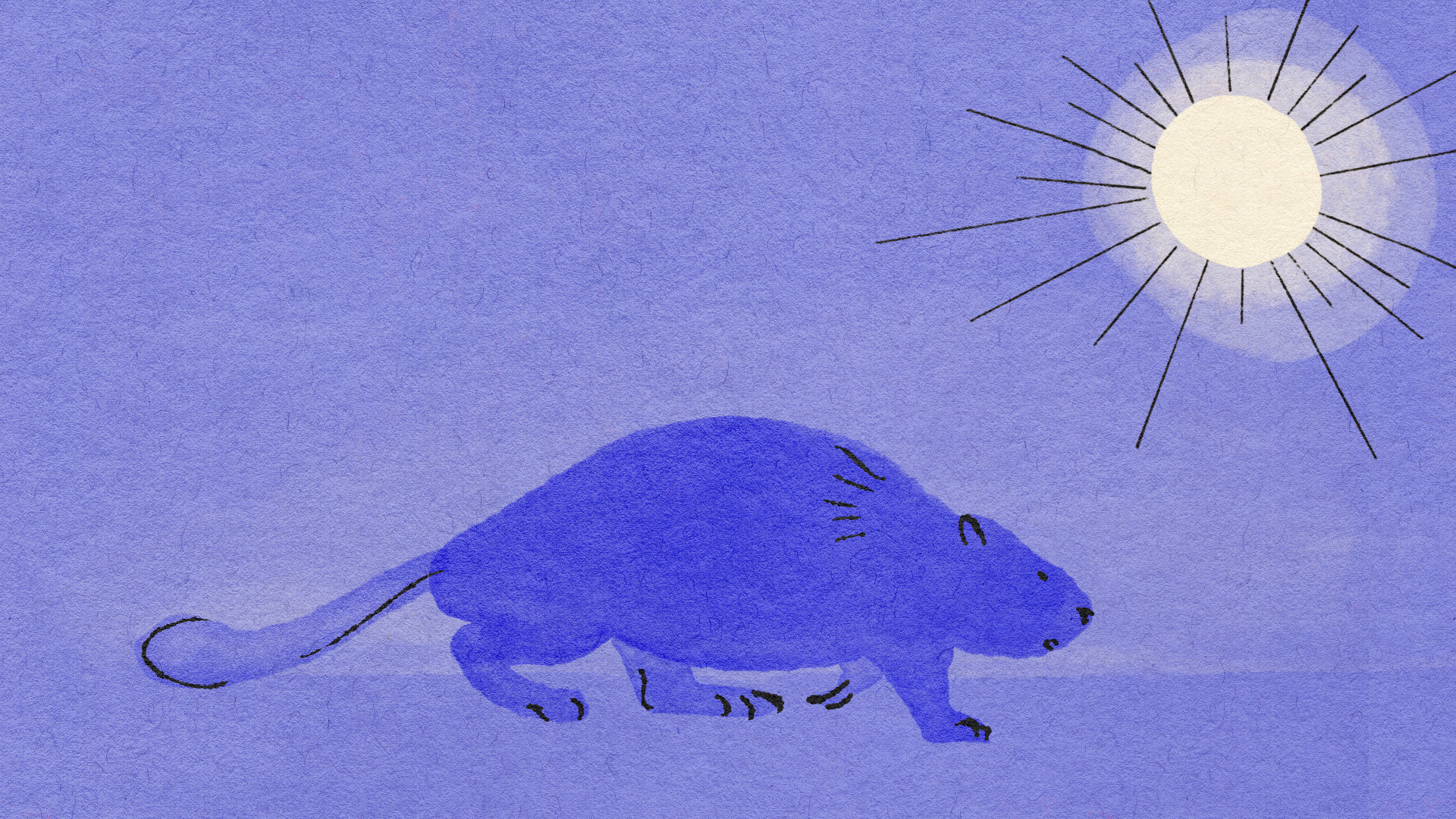
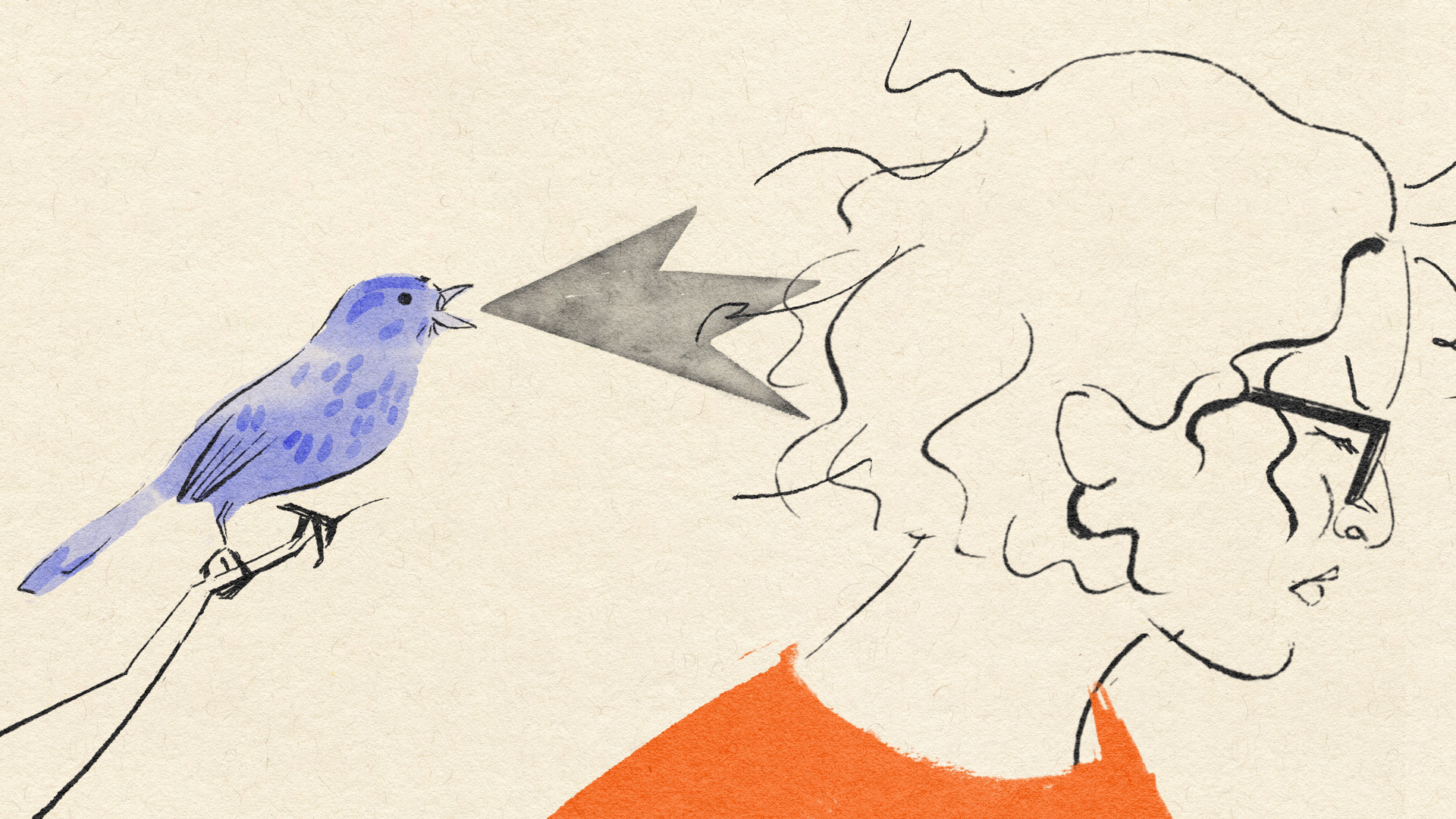
Radiating Animals
A timing puzzle meant to show the inner working of Natalia’s mind
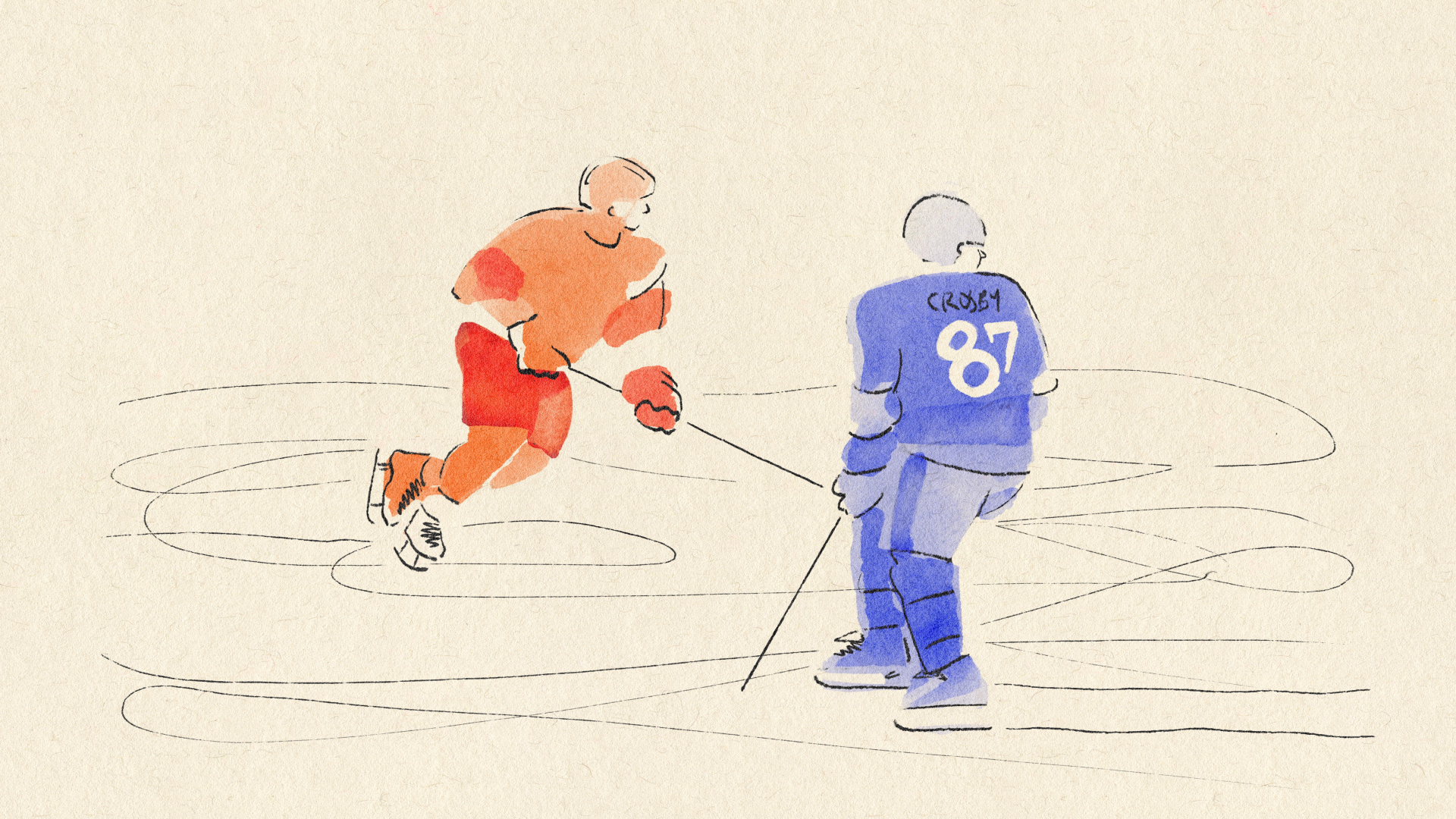
Sidney Crosby
Licensing video footage for this section on concussions, so we built it in animation.
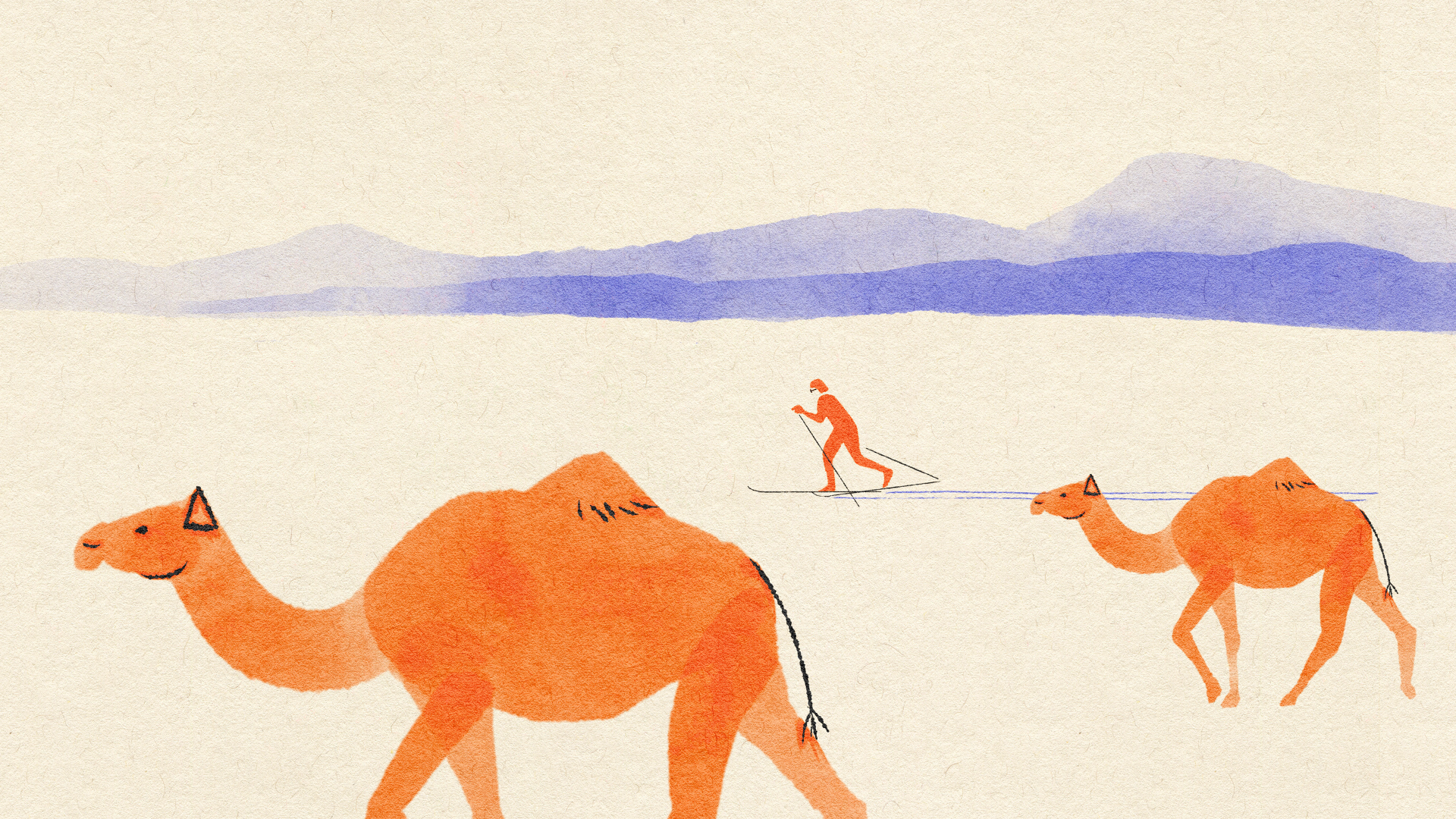
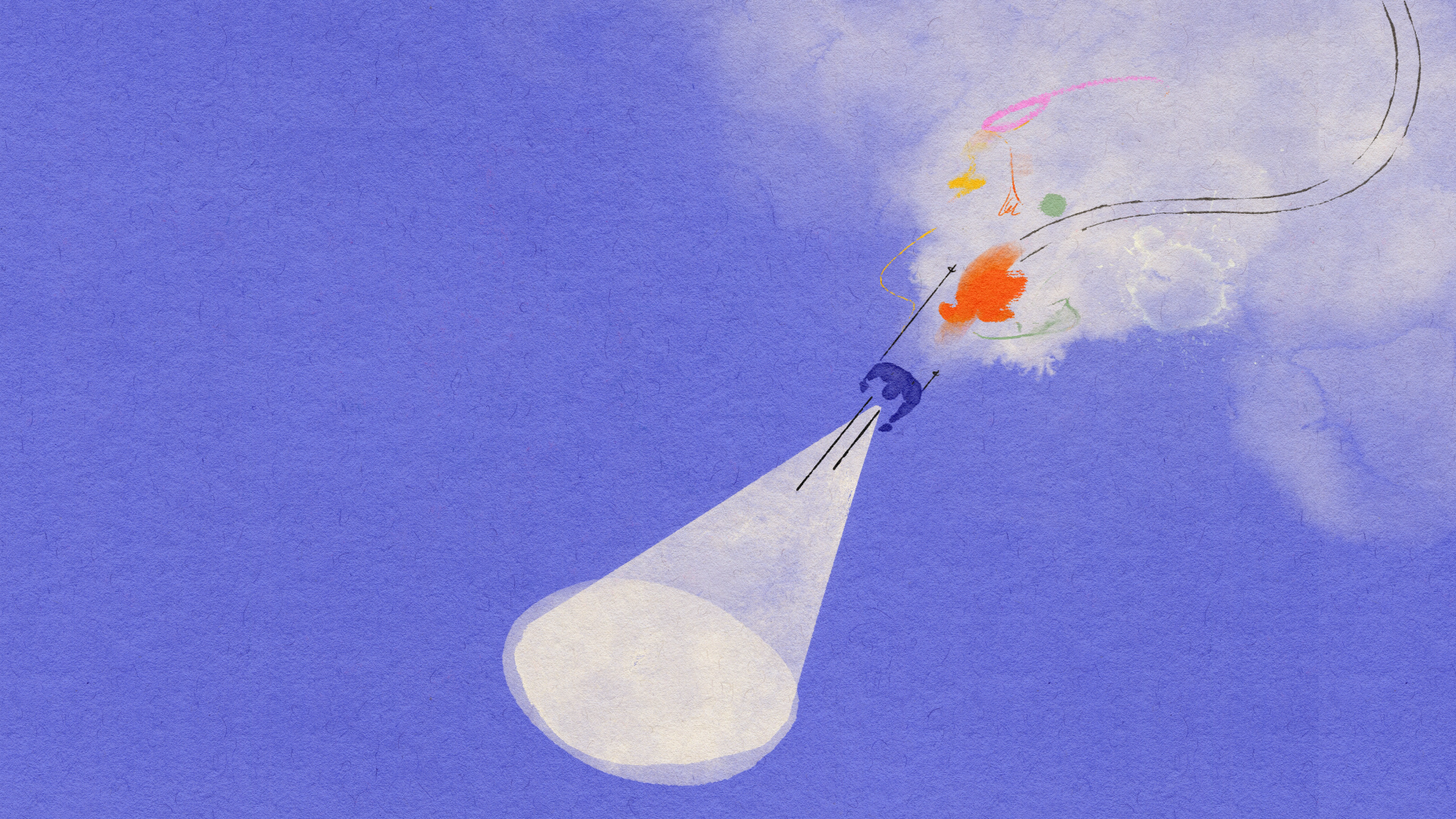
Skiing
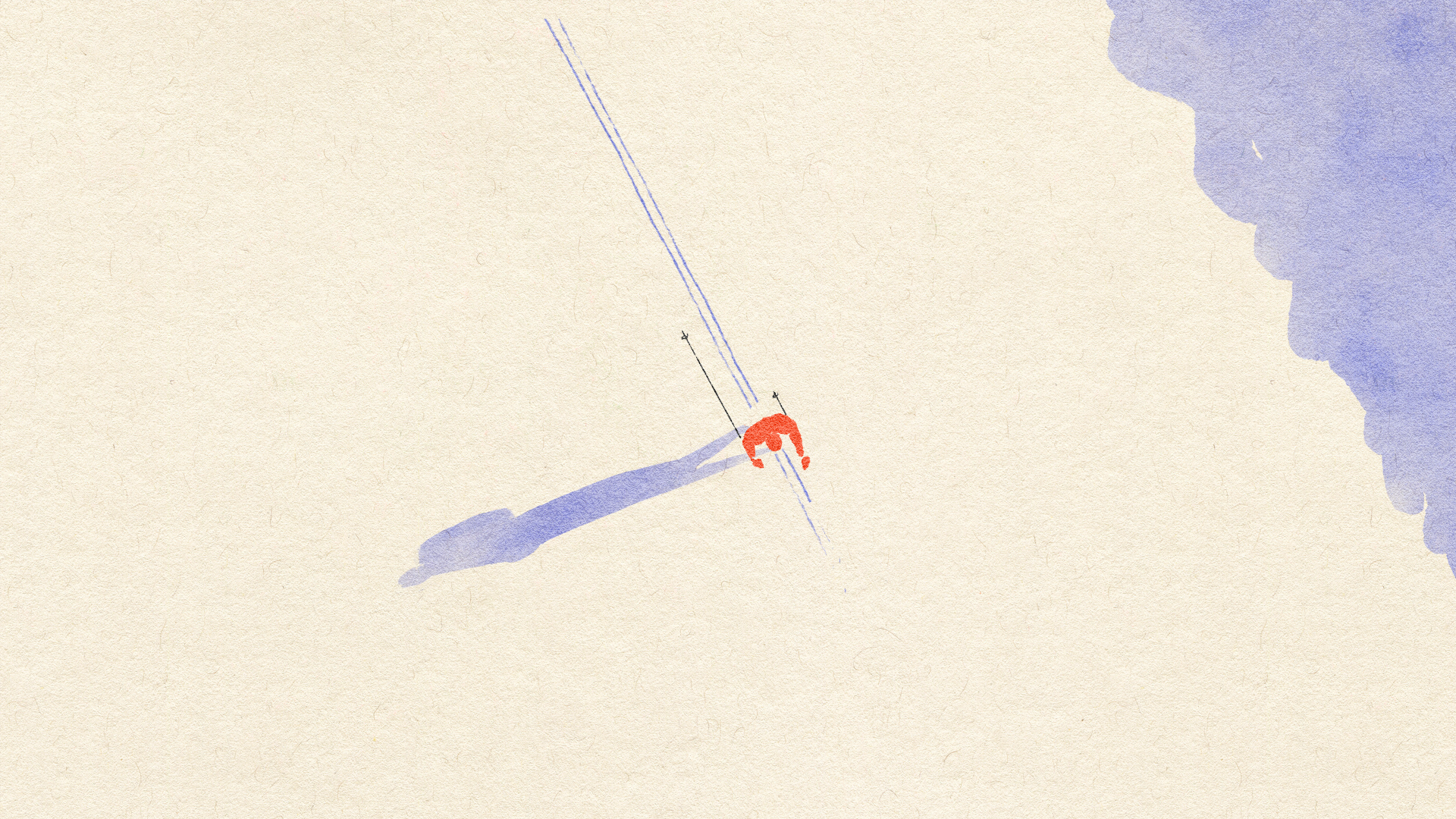
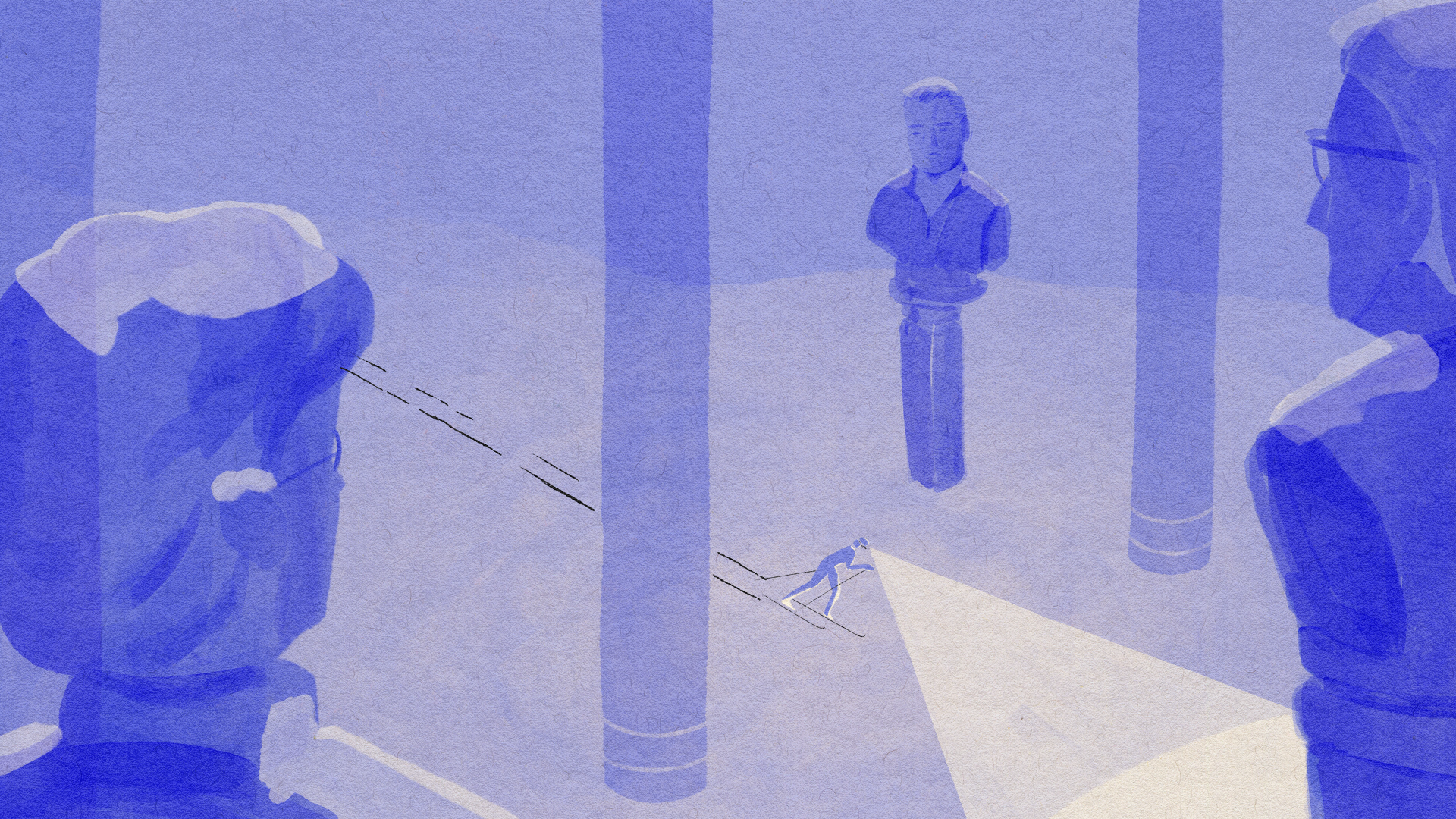
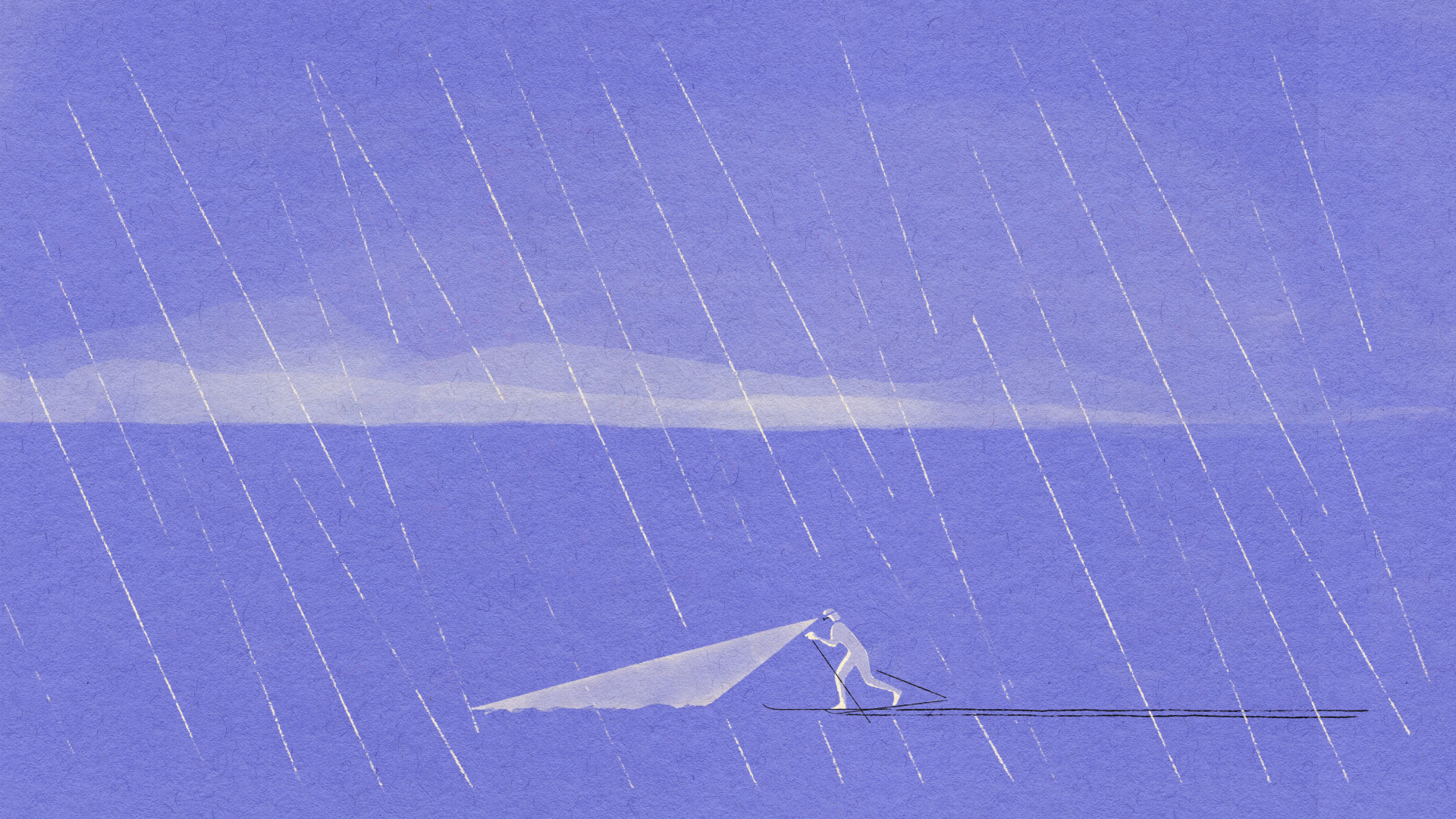
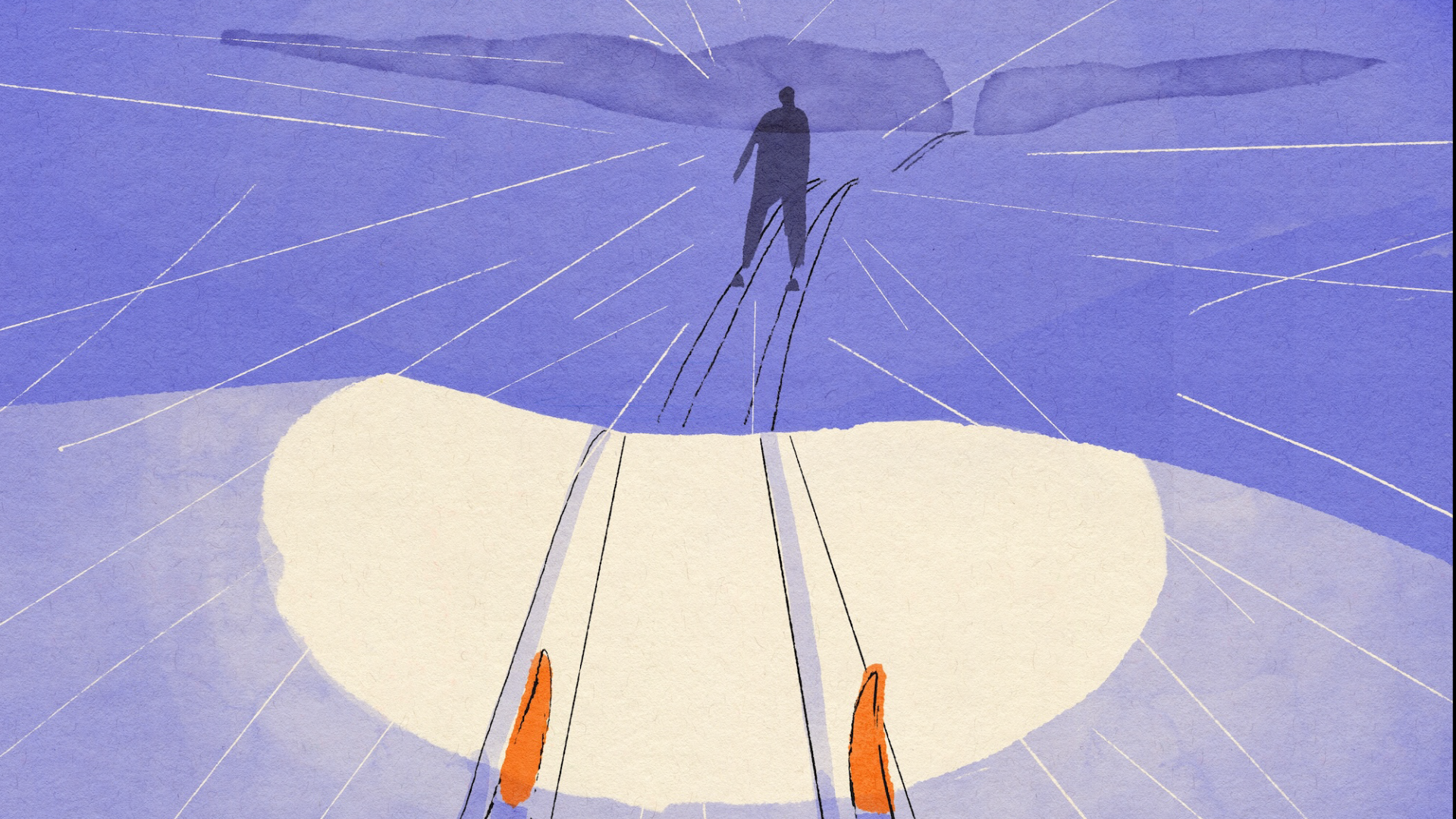
Natalia is an avid cross-country skier, so we had to tget the motion right! Lots of tests and references got us to this rhythmic, natural, and athletic motion.
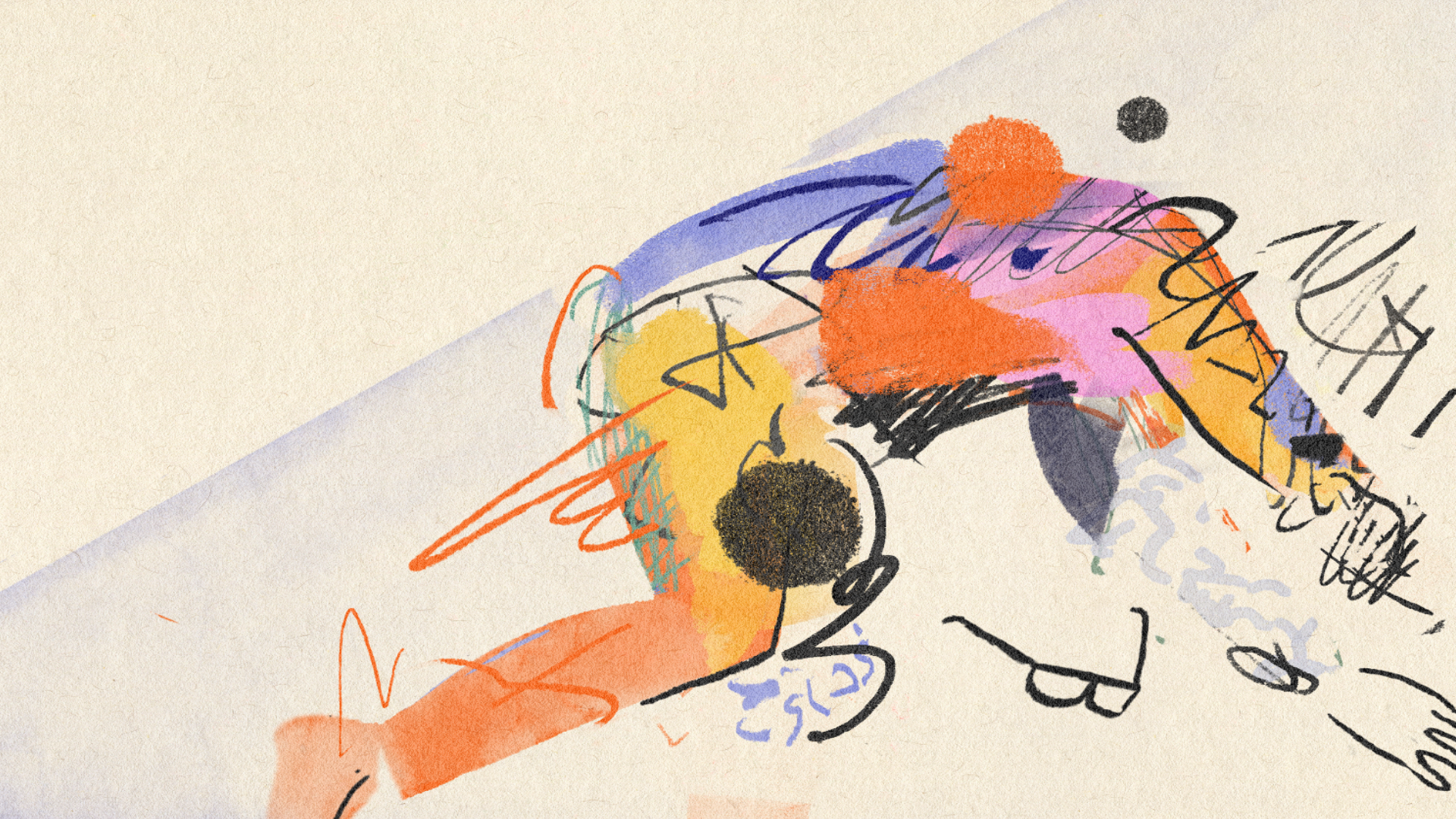
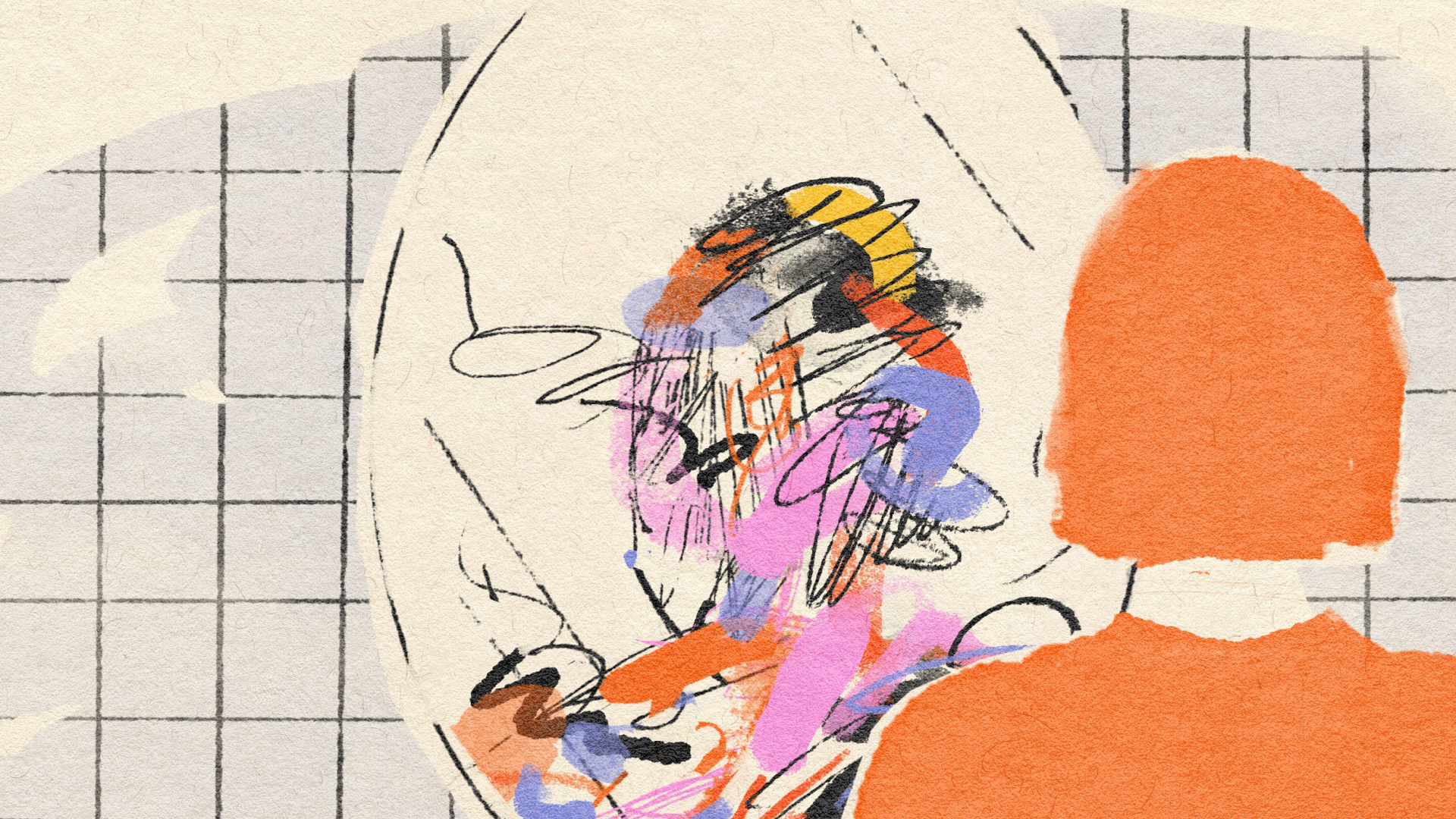
Running with Symptoms
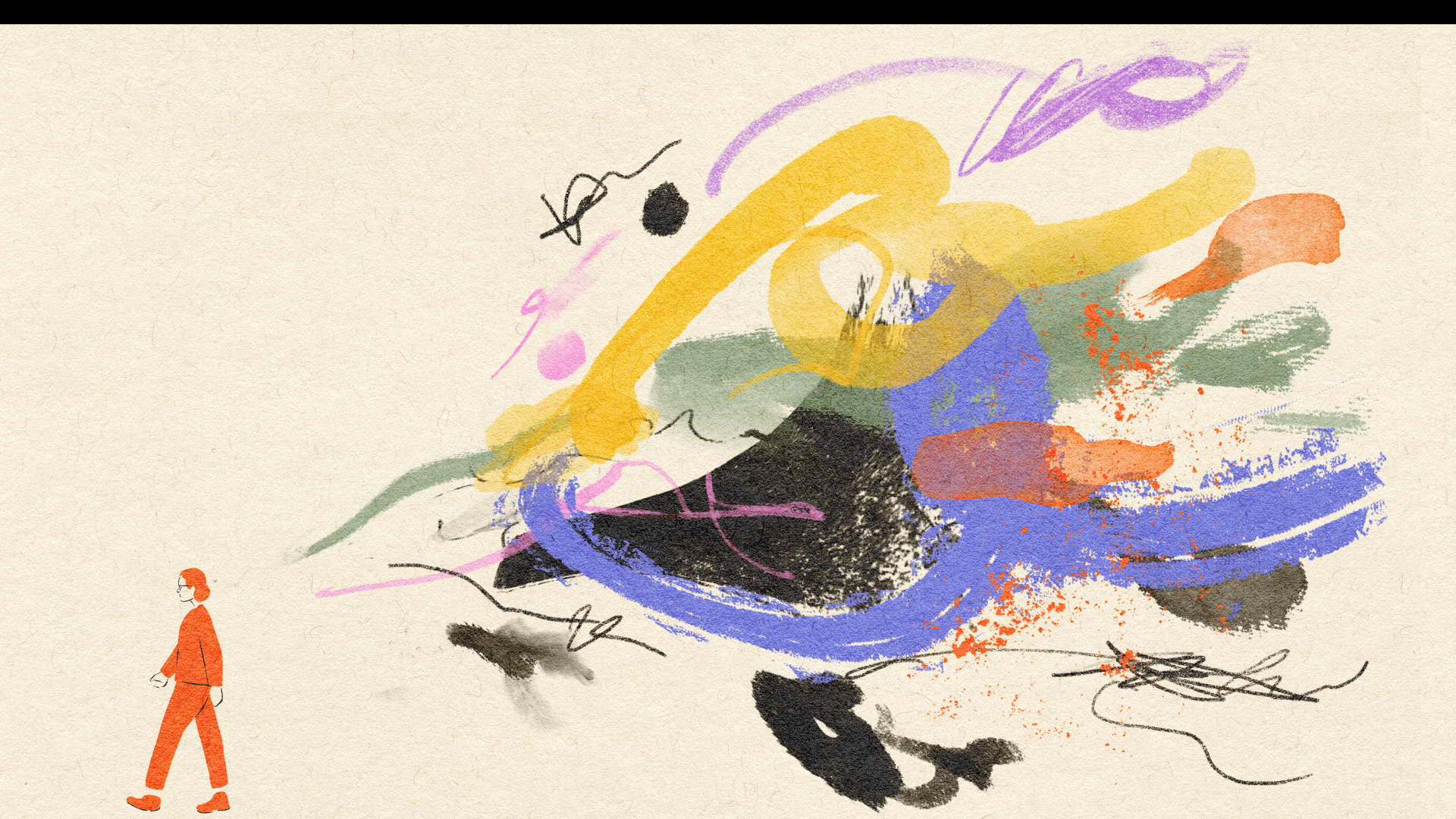
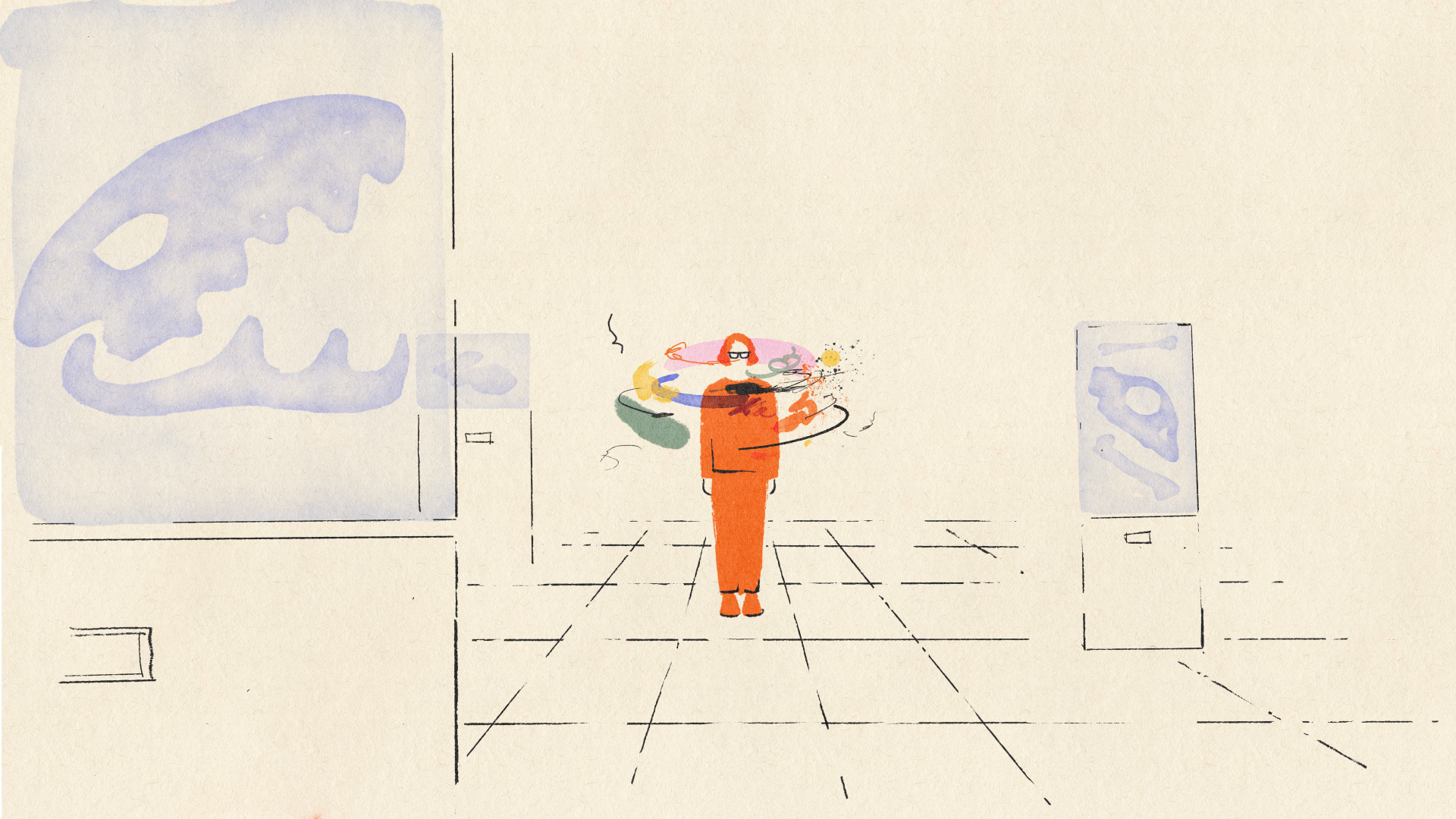
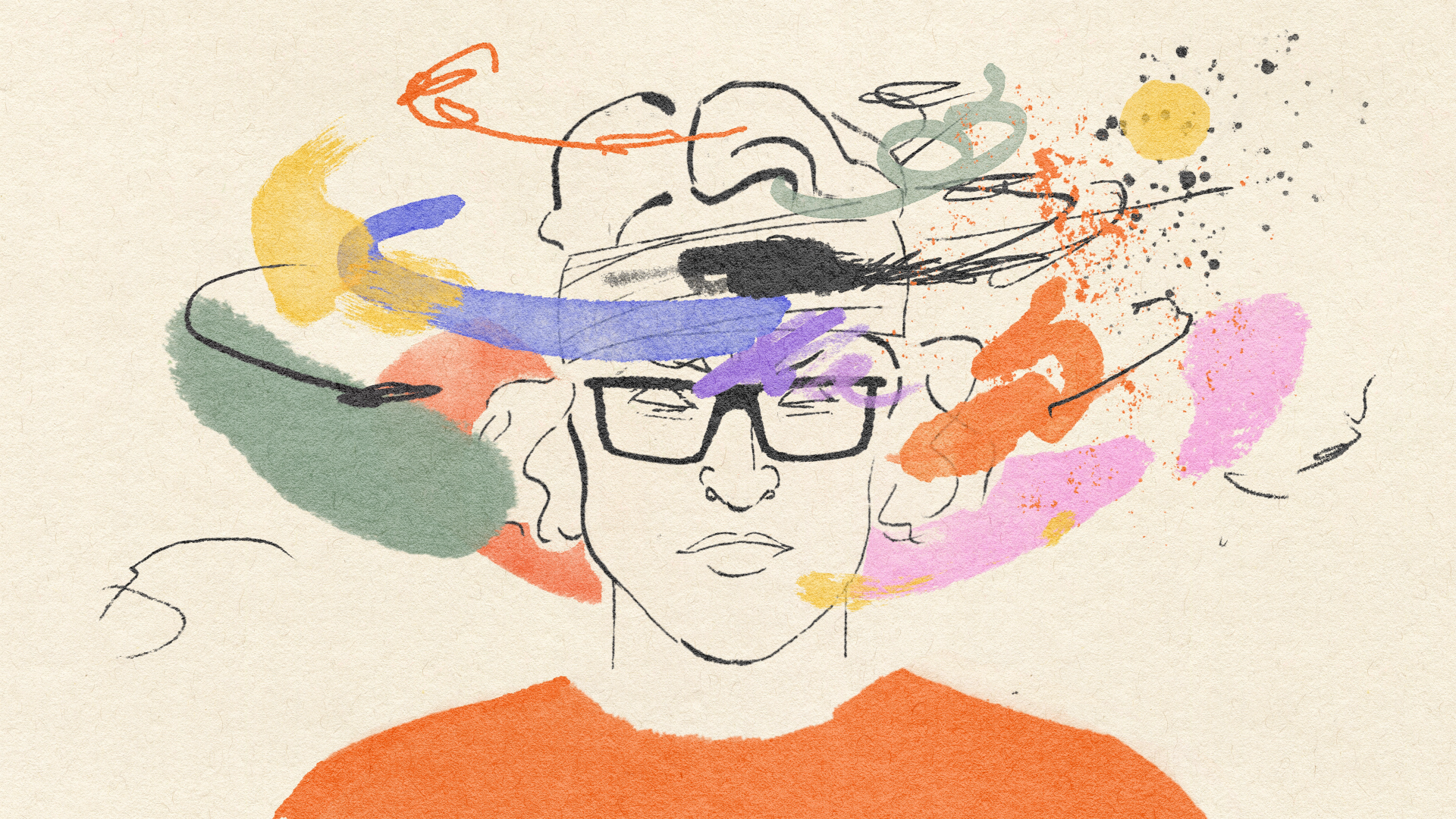
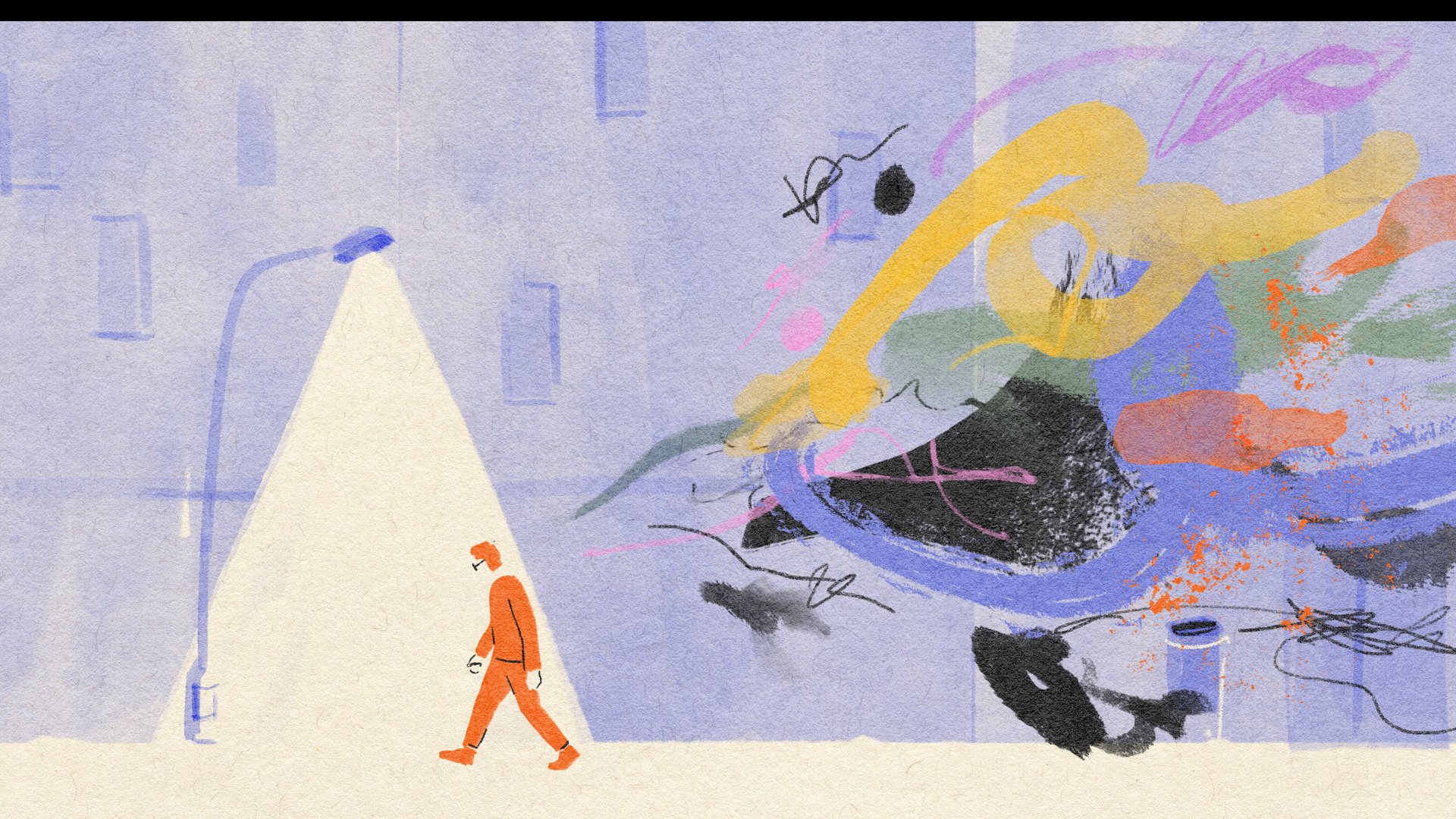
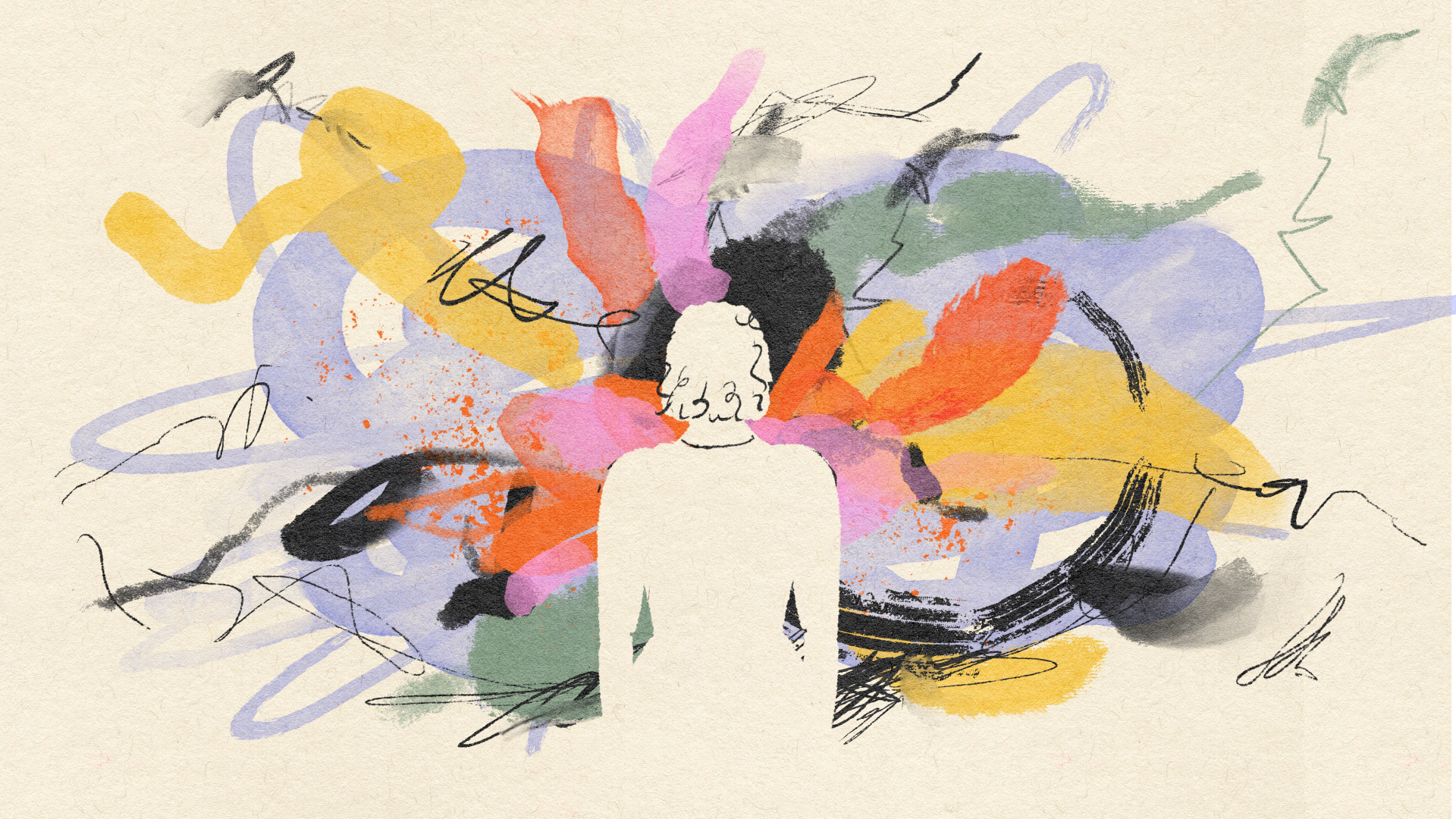
How to show the effect chronic pain has on a person? It’s invisible to others, but privately transformative. So we created this metaphorical approach: like a dream POV, we see Natalia run, and we see her pop from ‘normal’ to a seething mass of symptoms.
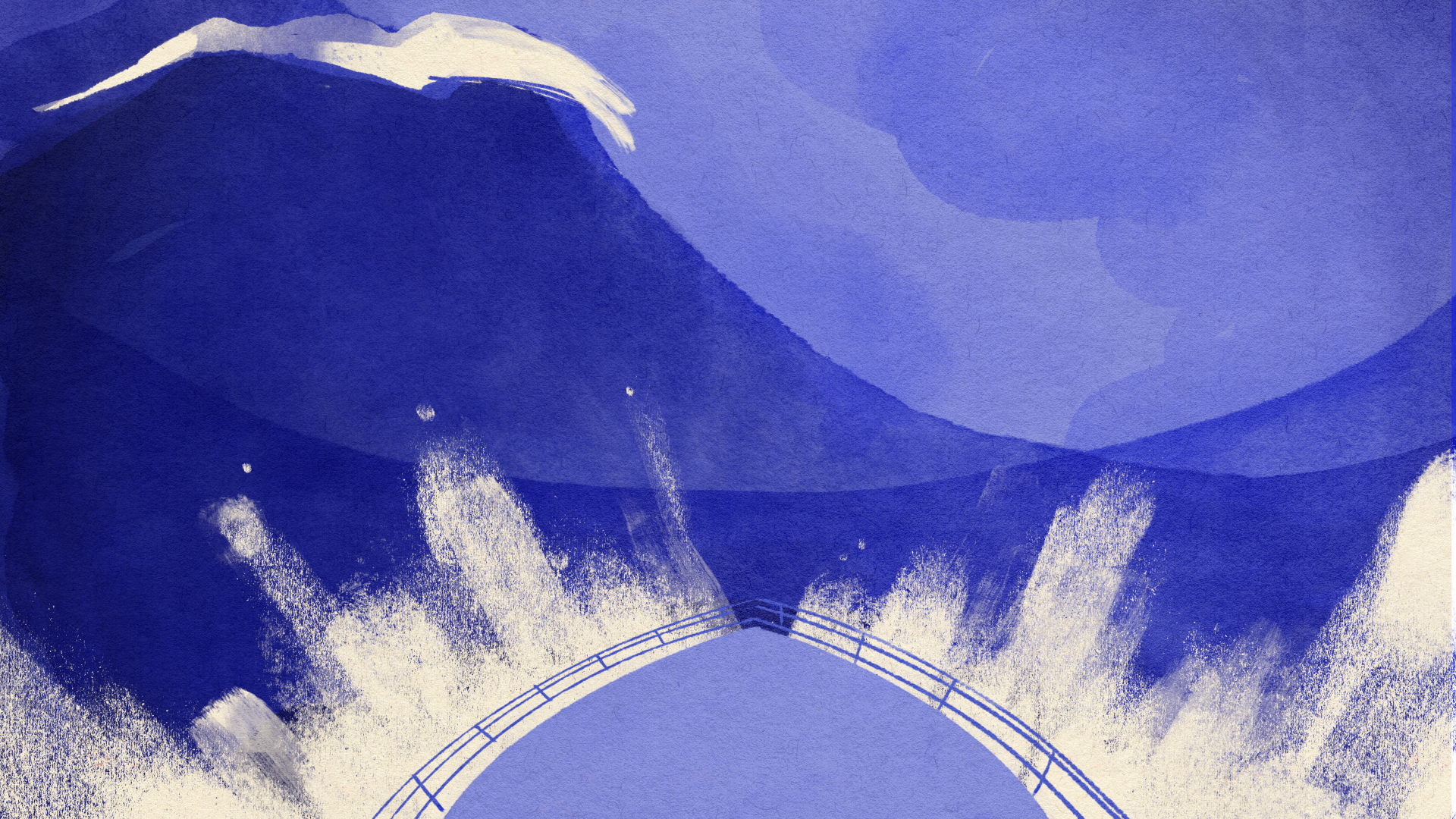
Drake Passage
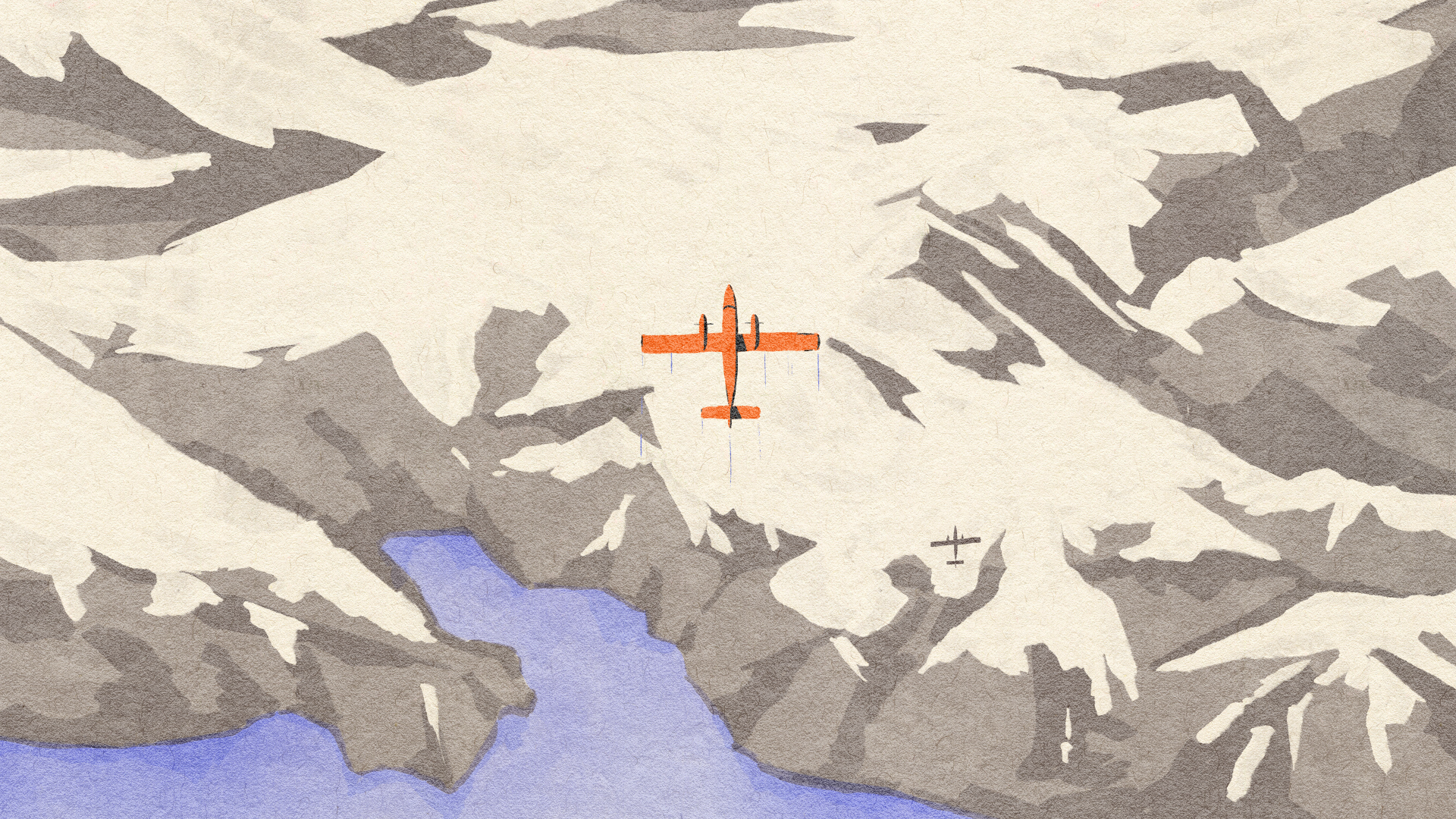
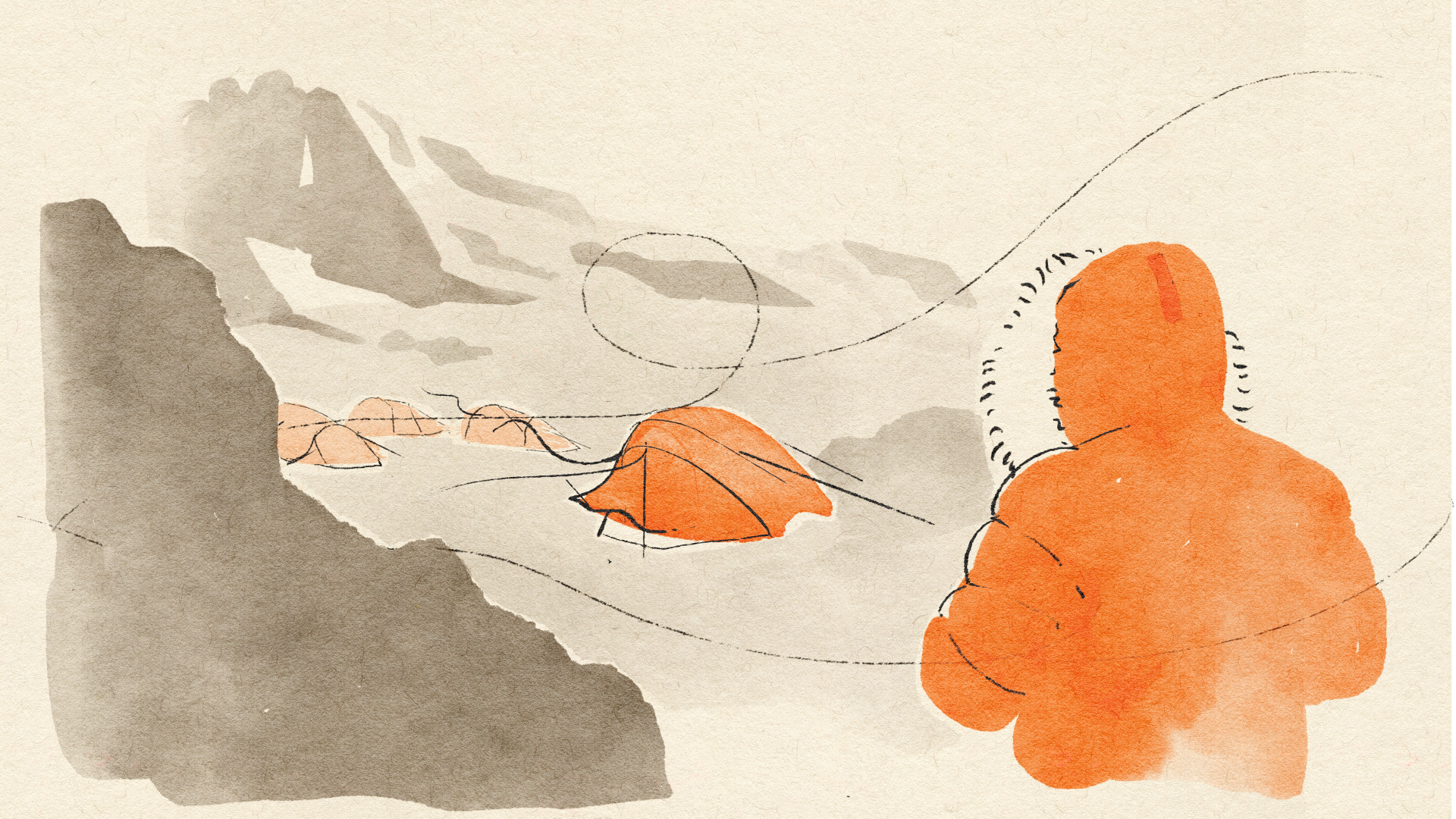
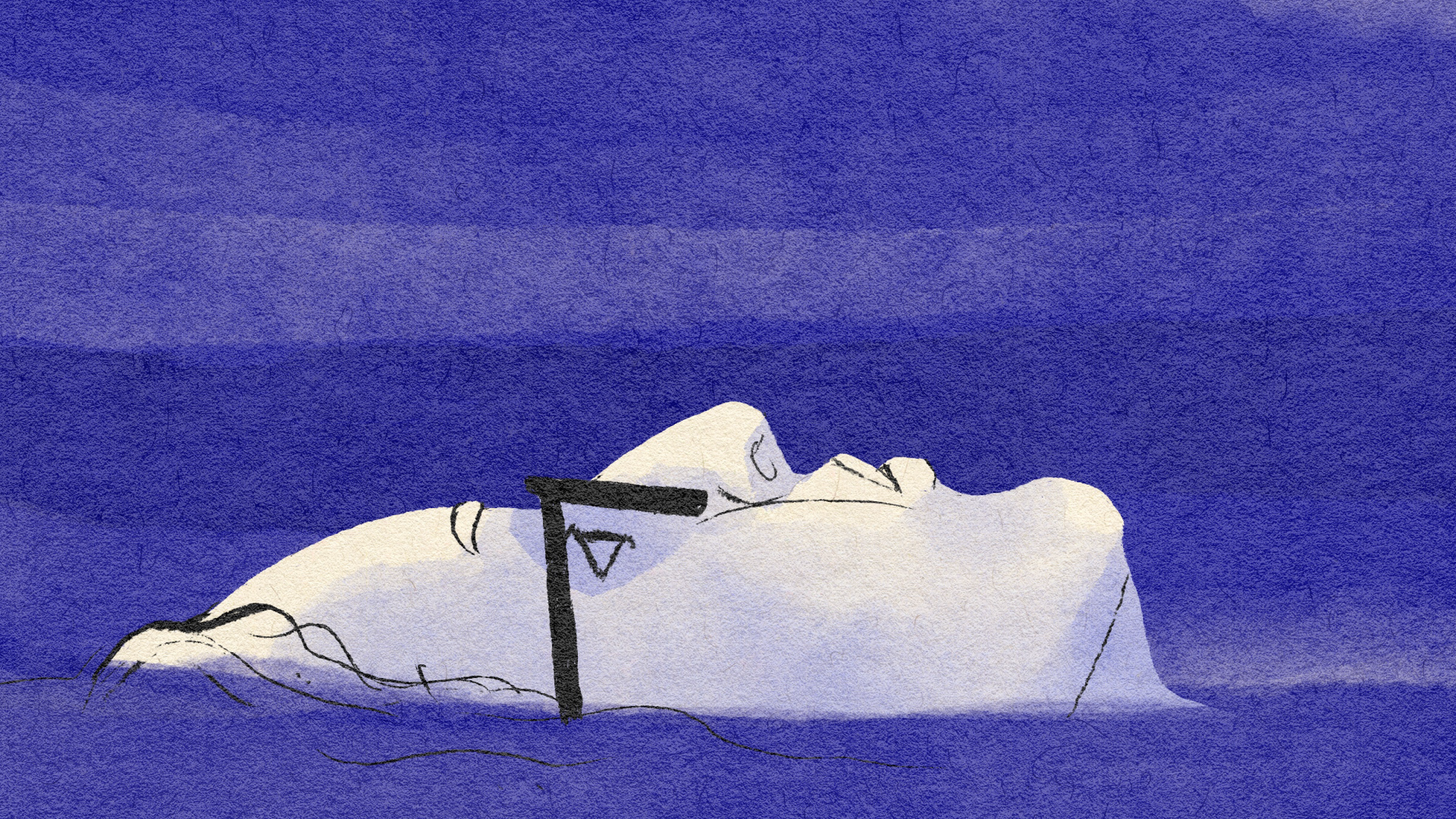
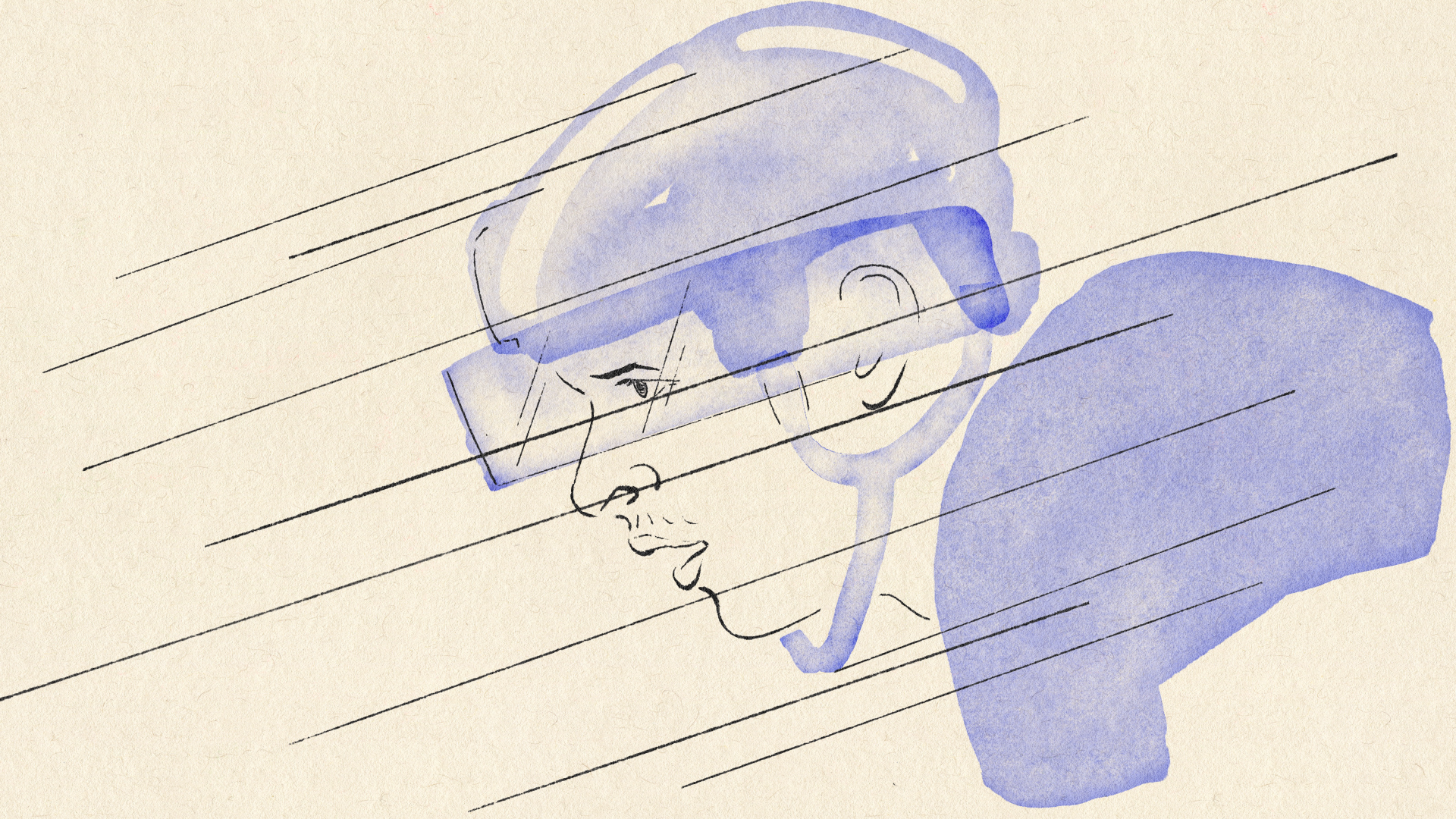
On a treacherous research voyage to Antartica, Natalia was tossed about, compounding her skiing brain injury. Here we show her basically coming apart as she slams against the wall of her bunk.
Natural Selection
Darwin crosses out the Gastornis, showing it’s extinct (it was a genus of large flightless birds that lived more than 30 million years ago).
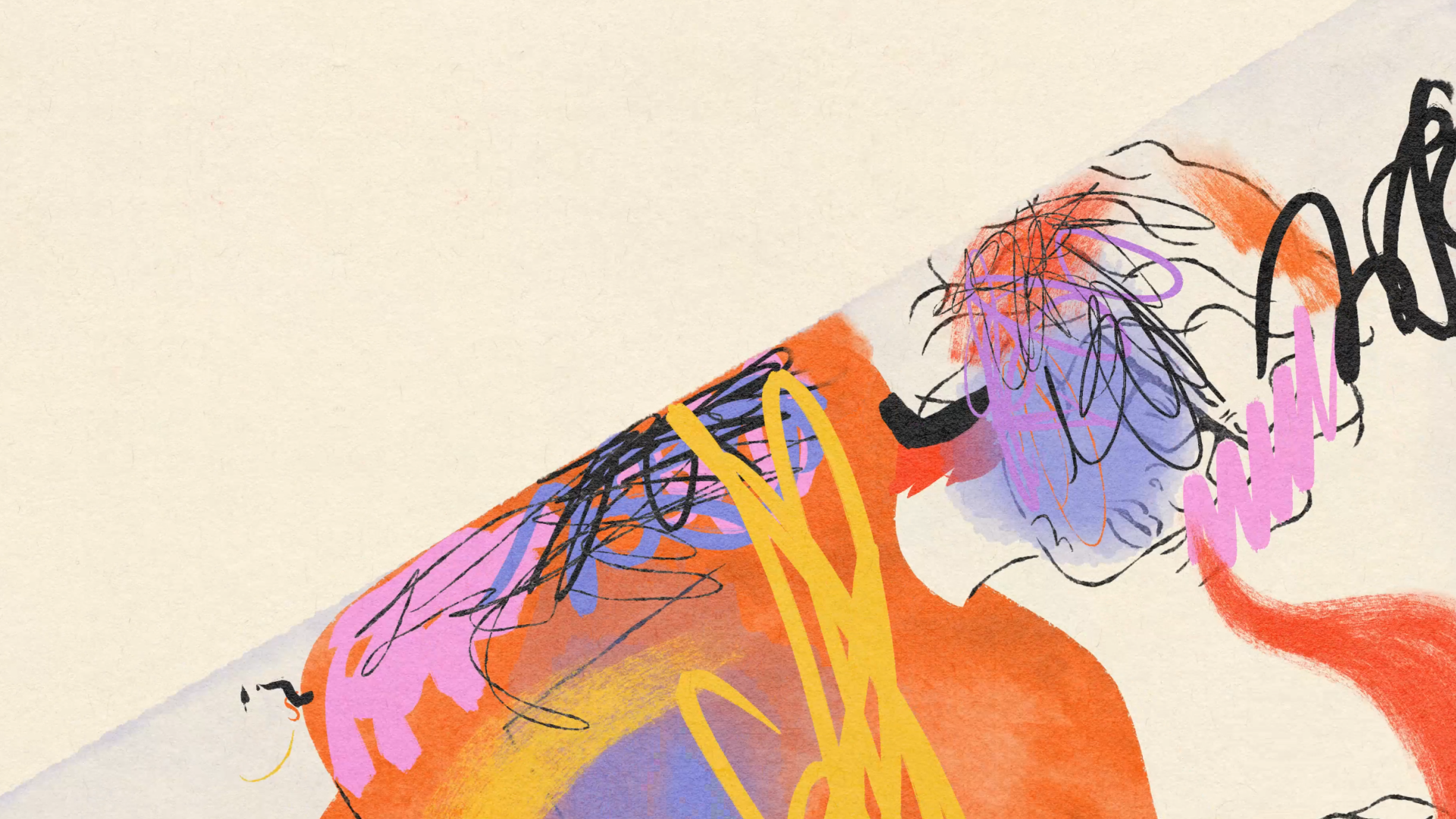
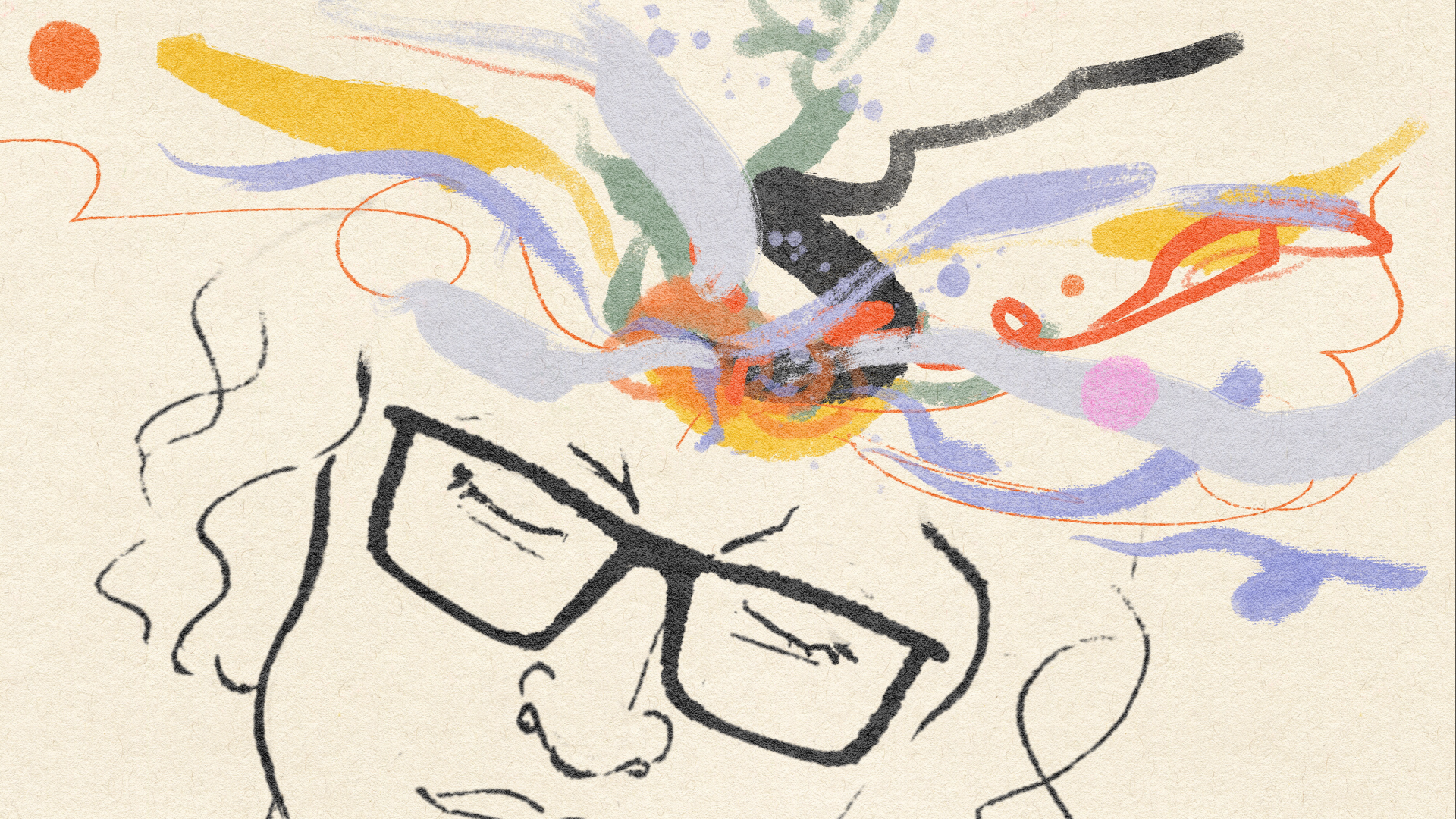
Ouch!
Like the running clip above, here we show Natalia’s headache symptoms. The jagged image break-up is based on Natalia’s own drawings of her pain.
Falling
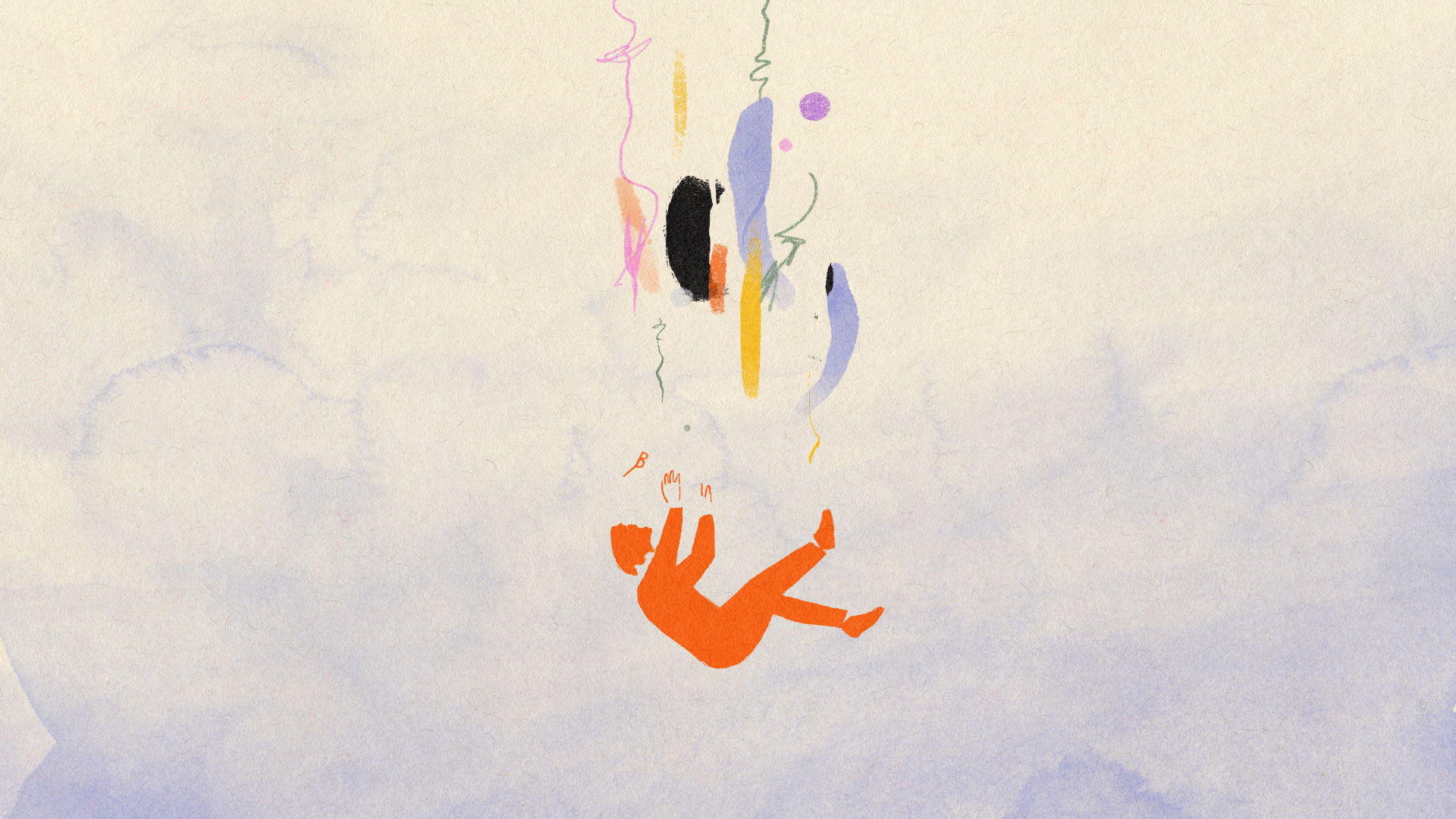
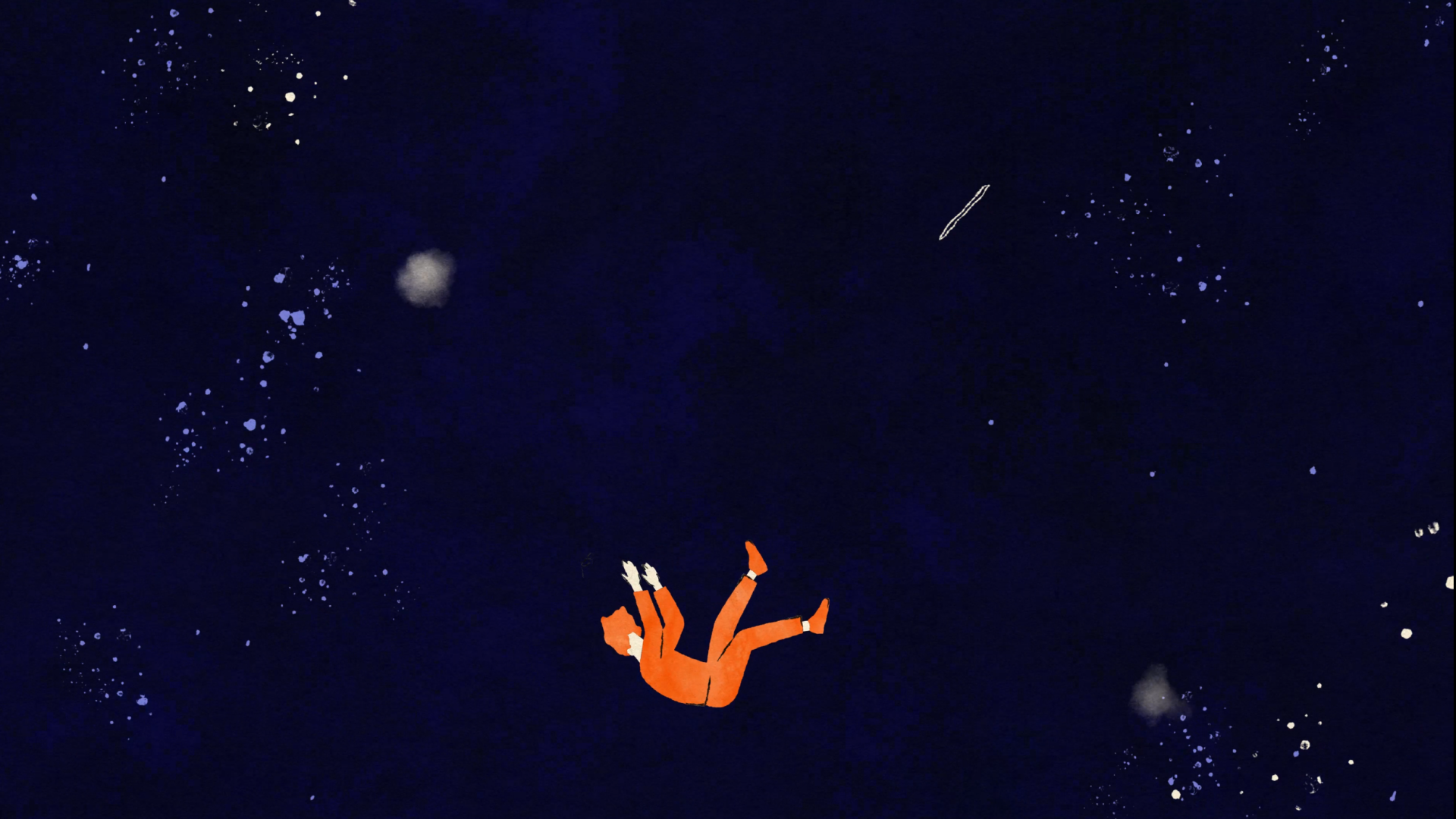
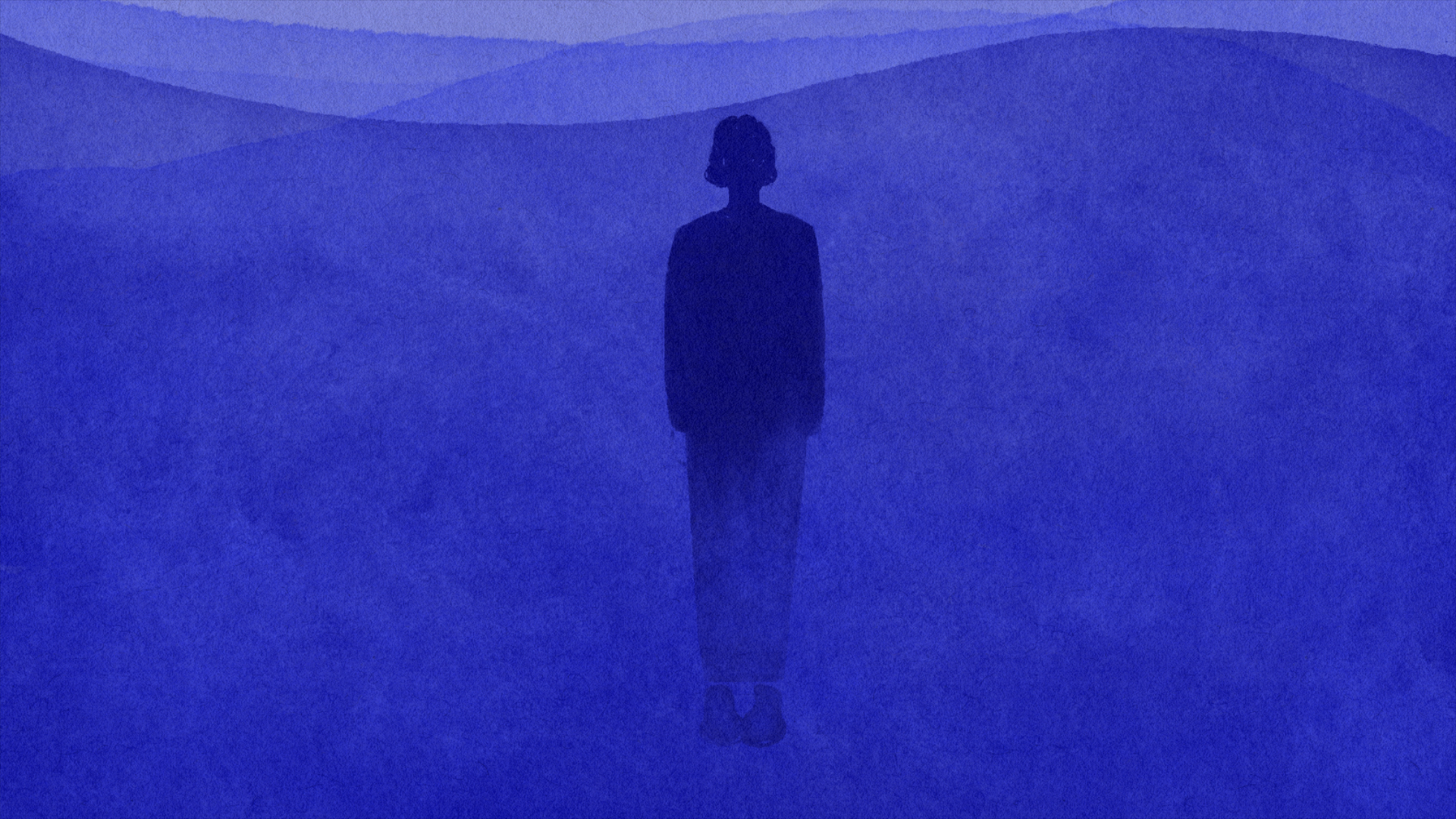
From a very low point in Natalia’s life: we needed to depict her depression, so chose a descent into darkness. This sort of emotional storytelling is ideally suited to animation.
Design
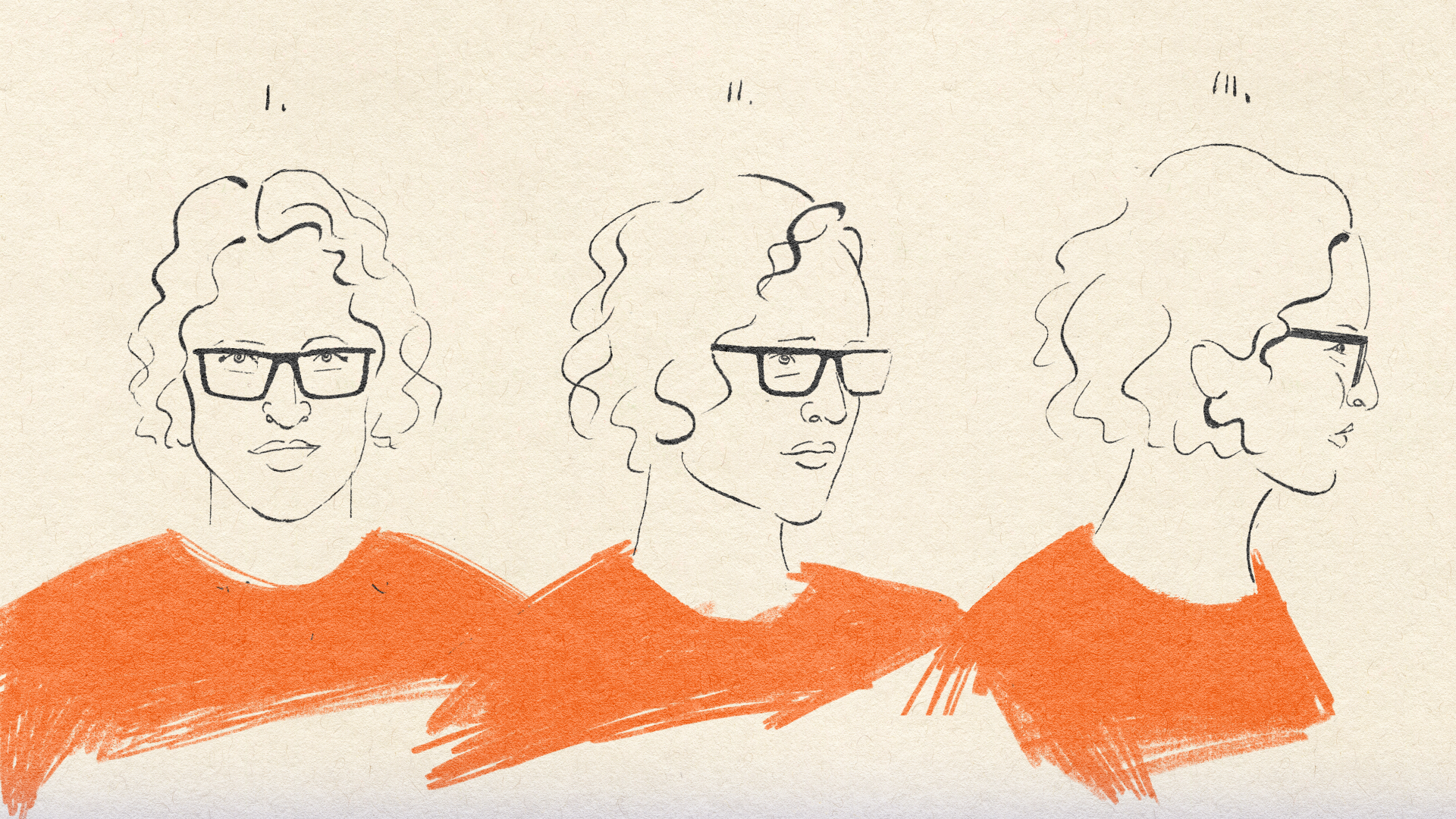
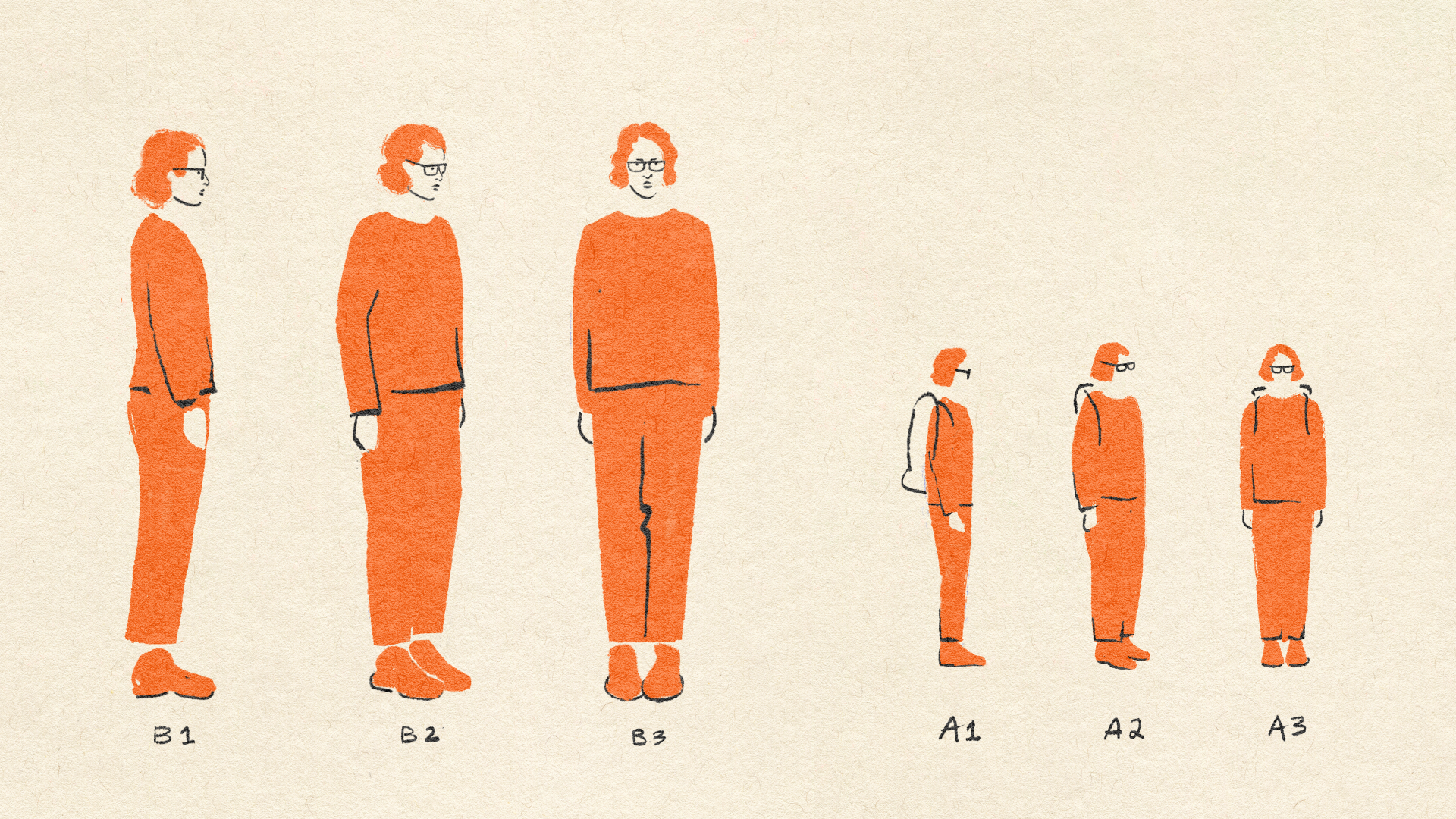
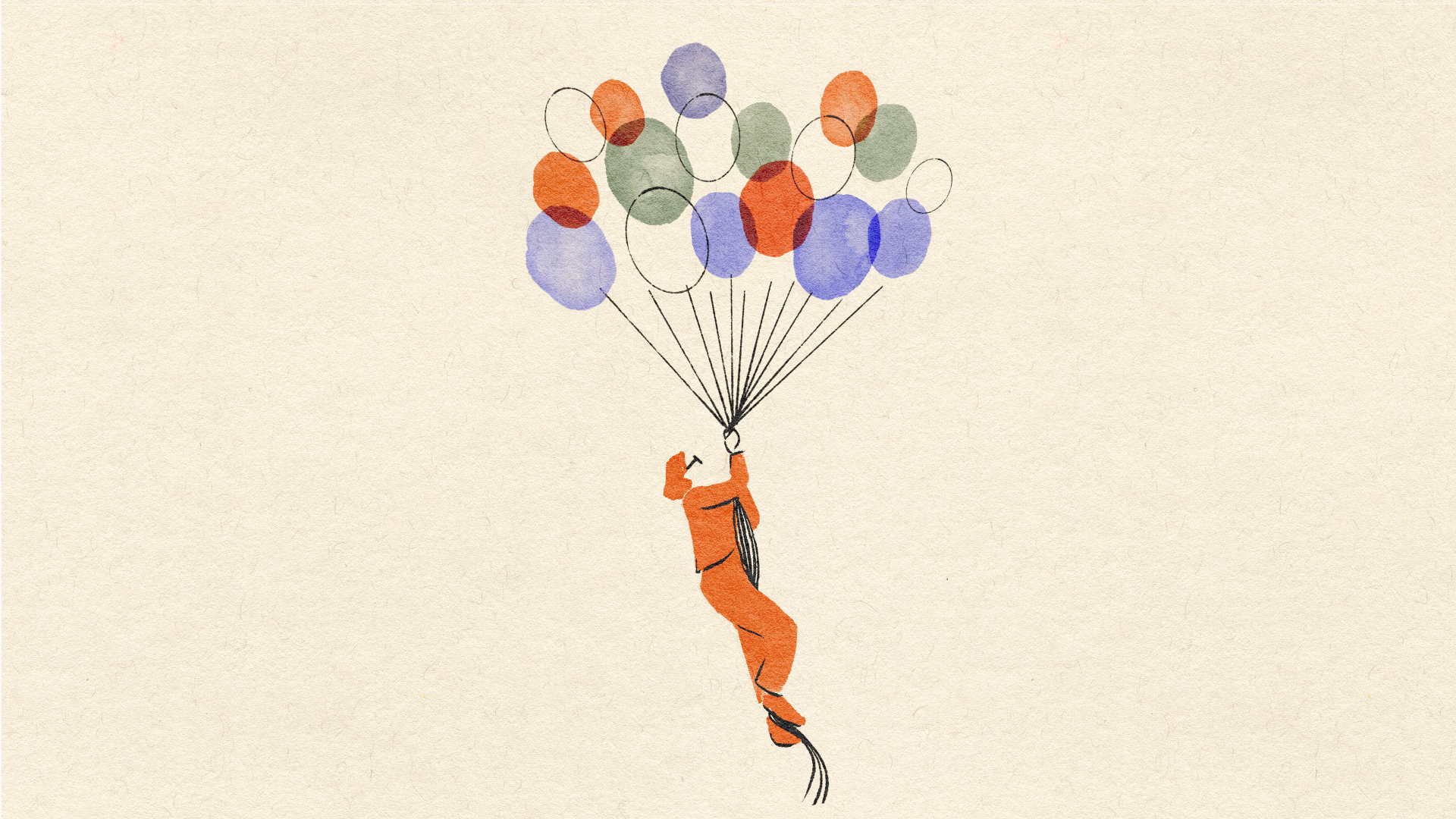
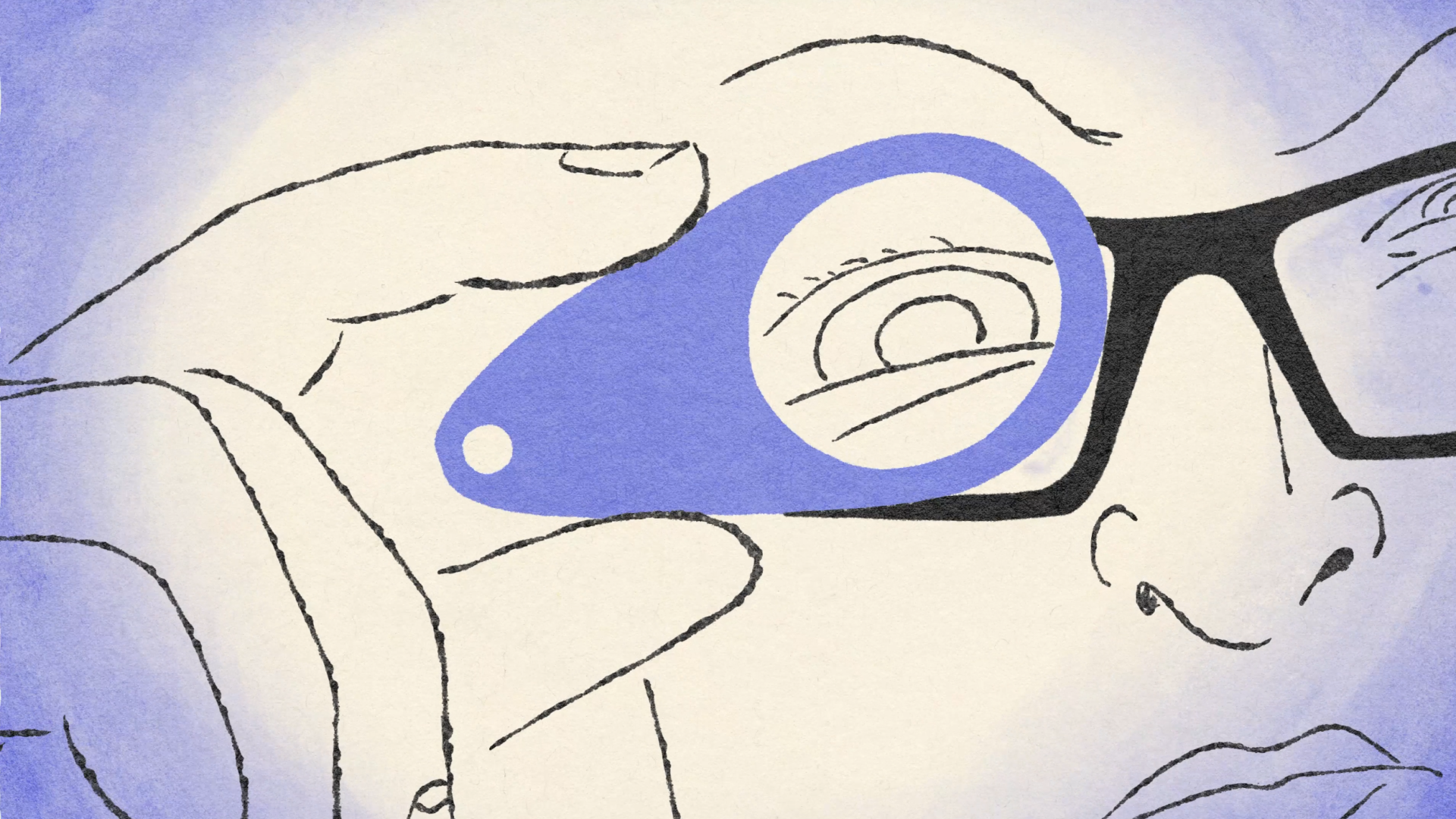
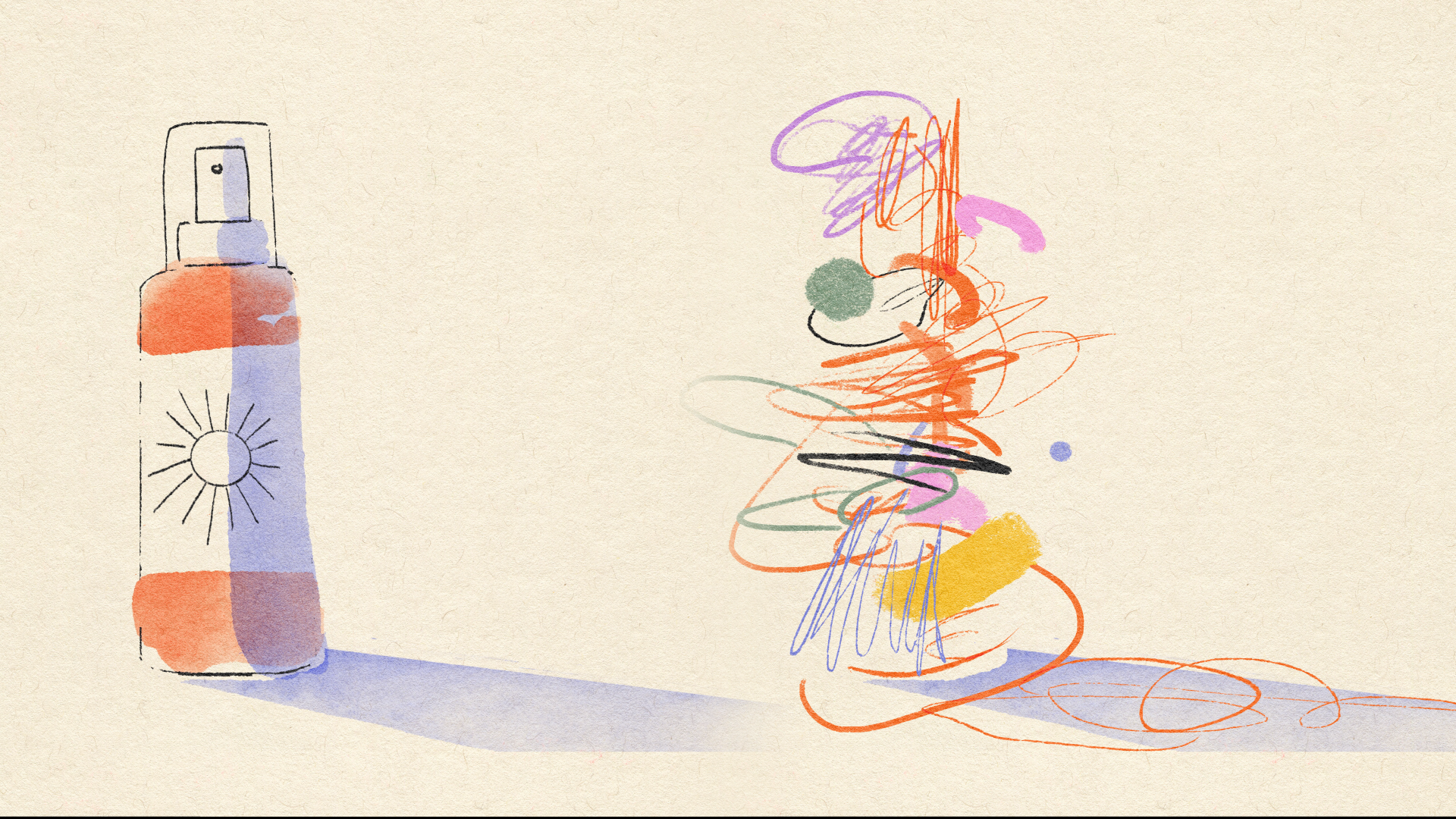
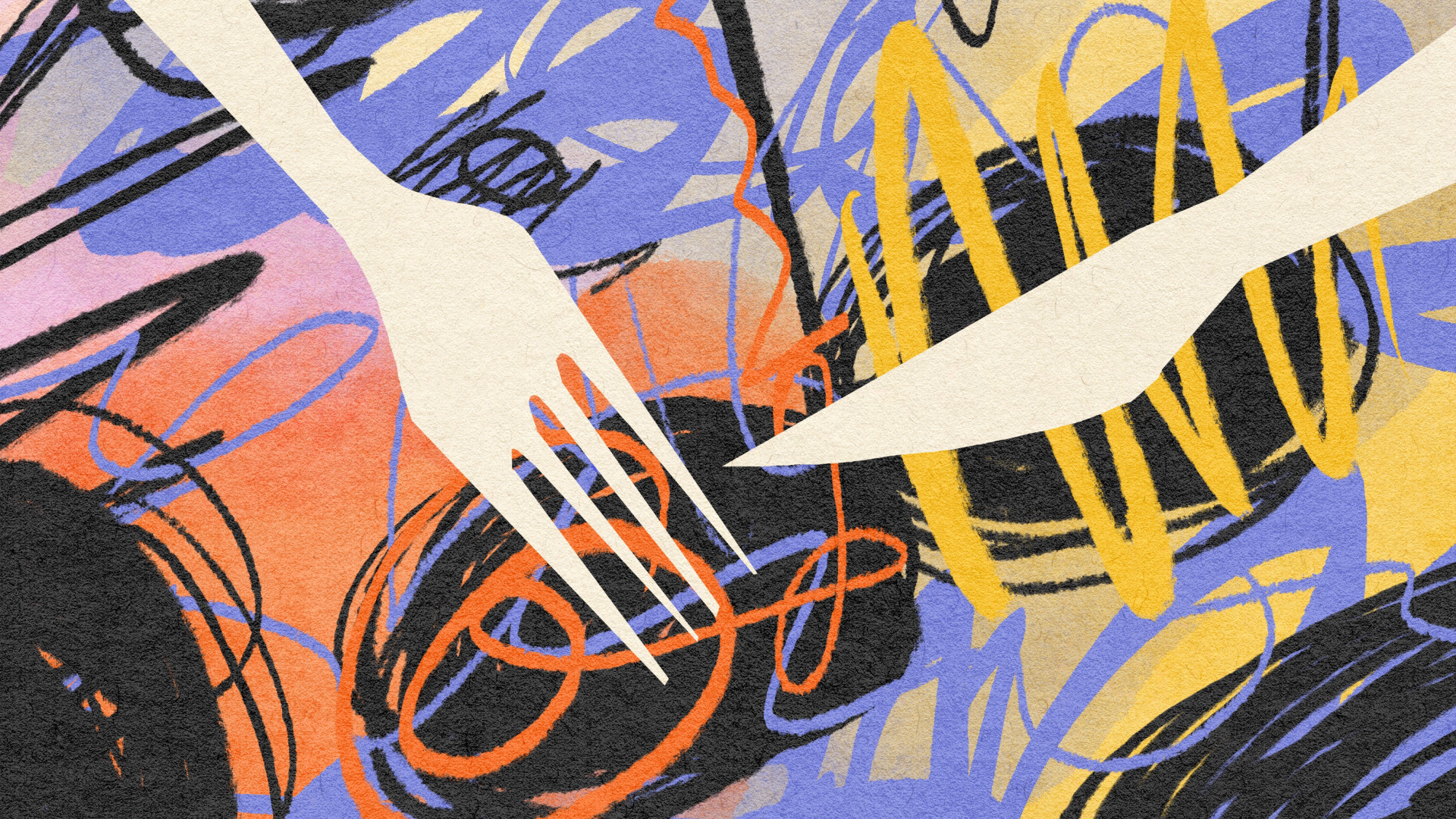
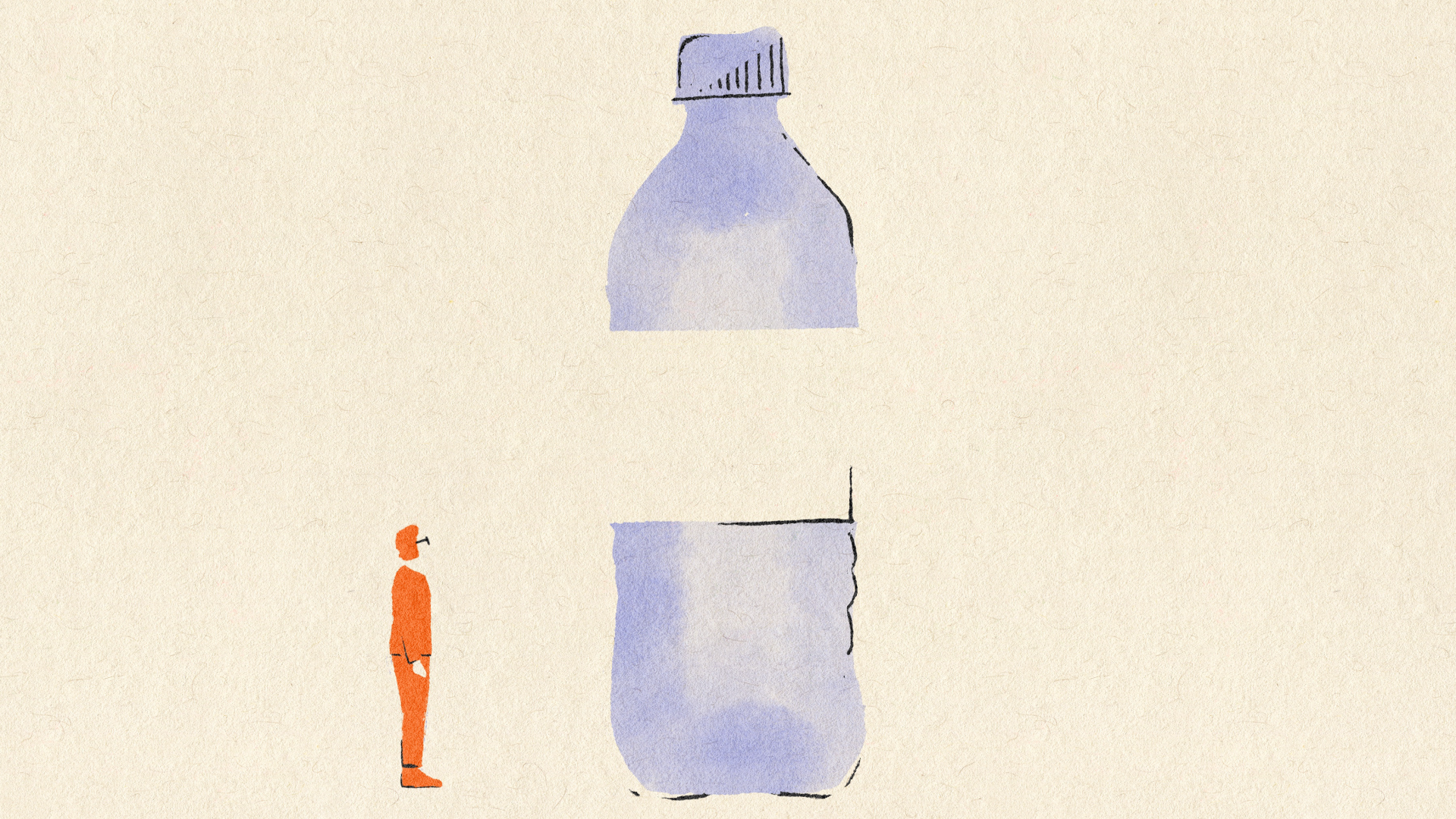
The design challenge was to find a style that allowed for a somewhat metaphorical treatment of story points that are otherwise difficult to represent visually. Natalia's unreliable memory of the accident, developing pain from it, psychological effects from it: these called for the evocative impressionistic qualities of fine art animation. The sense of the human hand in watercolour and ink line on textured paper helped convey a certain intimacy, a tactile sense of her as a person. The simple style brings an associative quality that helps depict abstract concepts like pain, but it was elusive at first to capture a strong likeness of Natalia with so little detail. The character sheets below show where we arrived for close-up, medium, and wide treatments, where detail reduces the farther away she is from camera. We were particularly pleased with the modular squiggles and bobs that represent her symptoms, and ideas like the giant water bottle that represents her symptomatic difficulty engaging with normal physical objects.